Taj Mahal: A Timeless Story of Love and Beauty
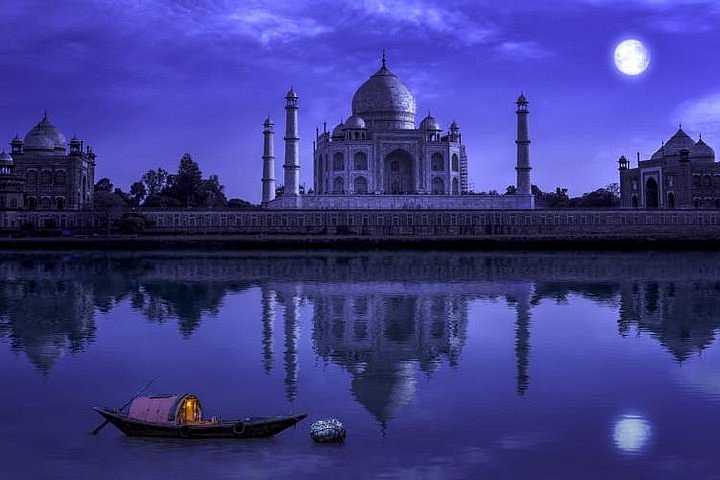
Introduction
The Taj Mahal is one of the most famous monuments in the world, admired for its beauty, history, and emotional significance. Located in Agra, it attracts millions of visitors every year. More than just a historical structure, the Taj Mahal represents love, artistry, and cultural heritage.
History of the Taj Mahal
The Taj Mahal was built by the Mughal emperor Shah Jahan in memory of his beloved wife Mumtaz Mahal. After her passing, he wanted to create something that would honor her and keep her memory alive forever.
Construction began in 1632 and took over 20 years to complete. Thousands of artisans, craftsmen, and workers contributed to building this magnificent structure. The result was a monument that combined emotion with extraordinary craftsmanship.
Architecture and Design
The Taj Mahal is widely regarded as a masterpiece of Mughal architecture. It blends different styles, including Persian, Islamic, and Indian influences, creating a unique and harmonious design.
Some of its key architectural features include
- A large central dome that dominates the structure
- Four tall minarets placed symmetrically at each corner
- Intricate marble carvings and inlaid precious stones
- Beautiful calligraphy decorating the walls
The monument is built using white marble, which reflects light in a way that makes it appear to change color throughout the day. This adds to its charm and makes every visit a different visual experience.

Cultural and Emotional Significance
The Taj Mahal is often described as the ultimate symbol of love. It reflects the deep connection between Shah Jahan and Mumtaz Mahal and stands as a reminder of their story.
At the same time, it also represents
- The artistic excellence of the Mughal era
- The rich cultural heritage of India
- The importance of preserving historical monuments
Because of this, the Taj Mahal is not only a romantic symbol but also a cultural treasure.

Global Recognition and Tourism
The Taj Mahal is recognized as a UNESCO World Heritage Site and is considered one of the New Seven Wonders of the World. Its global recognition highlights its importance as a cultural and historical landmark.
Visitors from around the world come to experience
- The peaceful gardens surrounding the monument
- The stunning views at sunrise and sunset
- The detailed craftsmanship of the structure
This constant flow of visitors makes it one of the most popular tourist destinations in the world.
Preservation Efforts
Over time, environmental factors such as pollution have affected the Taj Mahal. To protect it, the Indian government has taken several steps, including limiting vehicle access near the monument and promoting conservation efforts.
These measures are important to ensure that future generations can continue to admire its beauty.
Conclusion
The Taj Mahal is more than just a monument. It is a story of love, a piece of history, and a symbol of artistic brilliance. Its beauty and meaning continue to inspire people across the world, making it one of the most treasured landmarks ever created.