Thanaka Face Art – The Timeless Beauty and Cultural Symbol of Myanmar
Origin and Historical Background of Thanaka
The use of Thanaka dates back to ancient times, with evidence found in historical texts and temple carvings across Myanmar. It is believed that people in the region began using Thanaka as early as the 2nd century.
Traditionally, Thanaka was used by royal families as well as common people, making it a universal part of society. Over centuries, it became deeply embedded in Burmese culture, not just as a beauty practice but as a daily ritual that reflects simplicity and natural living.
The Thanaka Tree and Preparation Process
Thanaka is derived from the bark of specific trees grown in central Myanmar. The most commonly used species produce high-quality paste with a pleasant fragrance.
Traditional preparation process includes
• Cutting small logs or branches from the Thanaka tree
• Grinding the bark on a smooth stone slab called a kyauk pyin
• Adding water gradually to create a creamy paste
• Collecting the paste and applying it immediately
This process is often done fresh every day, maintaining its natural purity and effectiveness.

Application Styles and Artistic Expression
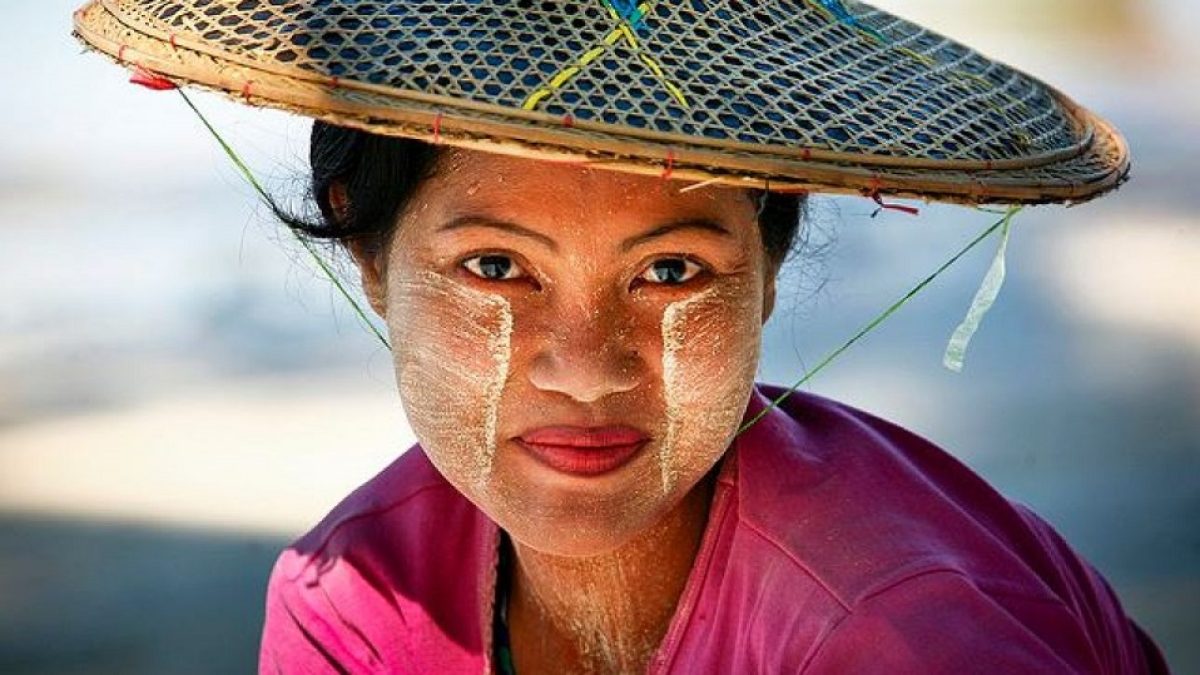
Thanaka is not just applied randomly; it is often styled creatively, making it a form of cultural art.
Popular application styles include
• Simple round patches on the cheeks
• Leaf-shaped or floral patterns
• Thin lines across the face or nose
• Full-face coverage for maximum protection
Children often wear playful designs, while adults may choose simple or elegant patterns. These styles can reflect personality, mood, or regional traditions.
Skincare and Medicinal Benefits
Thanaka is widely valued for its natural skincare properties, which have been trusted for generations.
Key benefits include
• Natural sun protection against harsh tropical sunlight
• Cooling effect that helps in hot climates
• Anti-bacterial properties that reduce acne and skin issues
• Skin brightening and smoothening effects
• Gentle and chemical-free, suitable for all ages
Because of these benefits, Thanaka is considered one of the earliest natural cosmetic products in the world.

Role in Daily Life and Social Identity
Thanaka plays a central role in everyday life in Myanmar. It is commonly seen on the faces of women, men, and children, especially in rural areas.
• Applied in the morning as part of daily routine
• Used during festivals and special occasions
• Seen as a symbol of modesty and natural beauty
• Represents cultural pride and identity
Unlike modern makeup, Thanaka is appreciated for its simplicity and authenticity.
Cultural Significance and Symbolism
Thanaka represents more than beauty; it carries deep cultural meaning.
• Symbolizes purity and connection to nature
• Reflects traditional values and lifestyle
• Passed down through generations as a cultural practice
• Strengthens a sense of belonging and identity
It is a visible sign of Myanmar’s unique cultural heritage.
Thanaka in Modern Times and Global Recognition
Even in modern Myanmar, Thanaka continues to be widely used despite the availability of commercial cosmetics. Many people prefer it for its natural qualities and cultural importance.
In recent years, Thanaka has gained international attention as an eco-friendly and organic skincare product. Tourists often try it as part of their cultural experience, making it a symbol of Myanmar’s identity on the global stage.
Conclusion
Thanaka face art is a perfect blend of tradition, beauty, and practicality. Rooted in history and deeply connected to daily life, it continues to thrive as a symbol of Myanmar’s culture. With its natural benefits, artistic designs, and cultural significance, Thanaka stands as a timeless tradition that bridges the past and present. It is not just a cosmetic practice but a living heritage that reflects the values and identity of the people of Myanmar.