The Rich Tapestry of African Art and Music
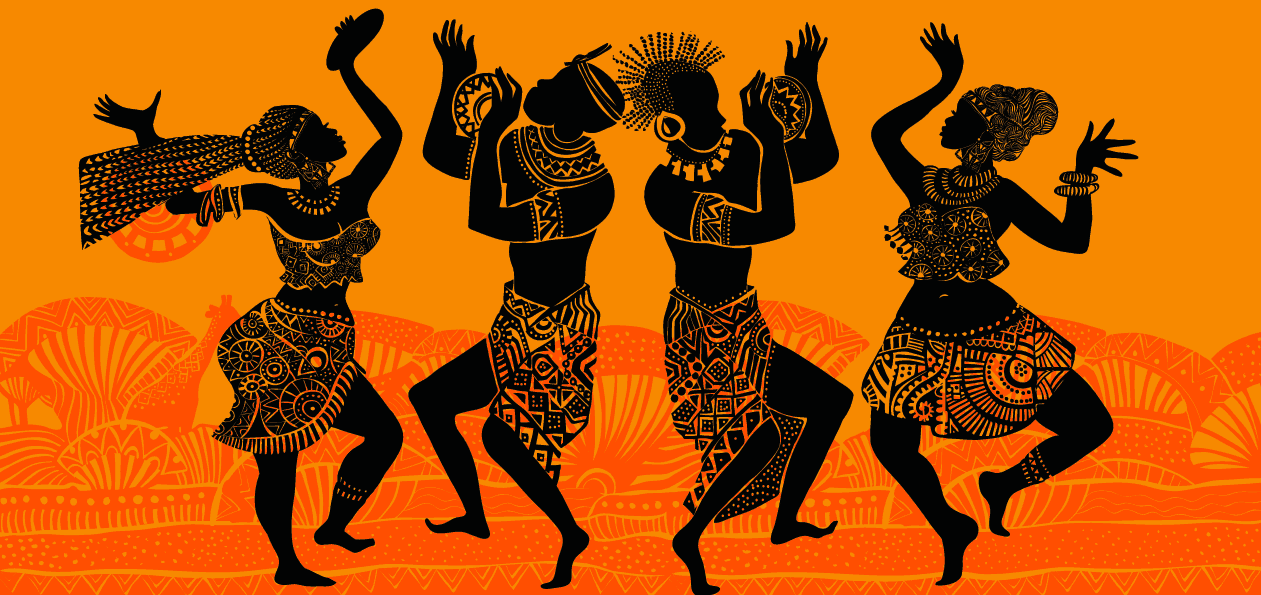
The Cultural Power of African Art and Music
Across the vast landscapes of Africa, art and music have always played a vital role in shaping cultural identity and community life. From ancient traditions to modern global sounds, African artistic expression reflects the history, resilience, and creativity of its people.
Music, storytelling, and visual art are deeply connected to everyday life across the continent. These creative forms communicate emotions, preserve traditions, and celebrate community values. Every rhythm, melody, and artistic creation tells a story that links past generations with the present.
Important elements of African cultural expression include
• Traditional drumming and rhythmic music
• Oral storytelling and historical songs
• Symbolic visual art and sculpture
• Community celebrations through music and dance
Together, these elements create a powerful cultural legacy that continues to inspire audiences around the world.
The Role of Drums in African Traditions
In many regions of sub-Saharan Africa, drums are far more than musical instruments. They serve as tools of communication, spiritual expression, and social connection.
One of the most famous traditional drums is the Djembe. This drum produces powerful rhythms that can be heard across large distances and often brings communities together for celebrations and ceremonies.
Traditional drumming serves several important purposes
• Calling communities together for gatherings
• Celebrating festivals and social events
• Accompanying traditional dances and rituals
• Passing cultural knowledge through rhythm
These rhythmic traditions are often taught orally, with elders passing knowledge to younger generations. In this way, music becomes a living archive that preserves cultural memory.
The Griot Tradition of West Africa
In West Africa, storytelling and music are closely connected through the tradition of the Griot.
Griots are respected figures who act as historians, musicians, and keepers of oral traditions. Through songs and performances, they preserve the history of communities and families.
The role of griots includes
• Telling stories about historical events
• Preserving family lineages and genealogies
• Singing about kings, warriors, and important leaders
• Passing cultural wisdom to future generations
Their performances ensure that important historical knowledge continues to survive even without written records.
Musical Fusion on the Swahili Coast
Along the Swahili Coast, African music developed through cultural exchange with traders and travelers from other parts of the world.
One important musical genre from this region is Taarab. This style combines poetic lyrics with melodic instruments and rich rhythms.
Characteristics of taarab music include
• Poetic storytelling and emotional lyrics
• Influences from both African and Arab musical traditions
• Performances during weddings and cultural celebrations
• Musical arrangements featuring traditional and modern instruments
This musical fusion demonstrates how African culture has always adapted and evolved through interaction with different cultures.
Modern African Music on the Global Stage
In the modern era, African music has reached international audiences through innovative musical styles and influential artists.
One of the most important modern genres is Afrobeat, pioneered by legendary musician Fela Kuti. Afrobeat combines energetic rhythms with meaningful lyrics that often address social and political themes.
Contemporary African artists continue to shape global music culture. Musicians such as Burna Boy have brought African sounds to international audiences.
Modern African music contributes to
• Global recognition of African culture
• Cultural exchange between continents
• New musical innovations and collaborations
• Representation of African voices and stories
Through these artists, African music continues to evolve while maintaining its cultural roots.
Art as a Reflection of African Identity
Beyond music, African visual art also plays a significant role in expressing cultural identity. Paintings, sculptures, textiles, and masks often carry symbolic meanings connected to spirituality, history, and social values.
Common themes in African art include
• Spiritual beliefs and ancestral connections
• Community traditions and ceremonies
• Social roles and cultural identity
• The relationship between people and nature
These artistic traditions highlight the creativity and diversity found across the African continent.
Conclusion
African art and music remain powerful expressions of heritage, creativity, and cultural identity. From traditional drumming and griot storytelling to modern Afrobeat and global music collaborations, African artistic traditions continue to evolve while honoring their roots.
Every drumbeat, lyric, and work of art reflects the spirit of a continent rich in history and cultural pride. By listening to its music and appreciating its art, people around the world can better understand the beauty, resilience, and diversity that define Africa’s cultural legacy.