Latvia
15m
Jun 16, 2026
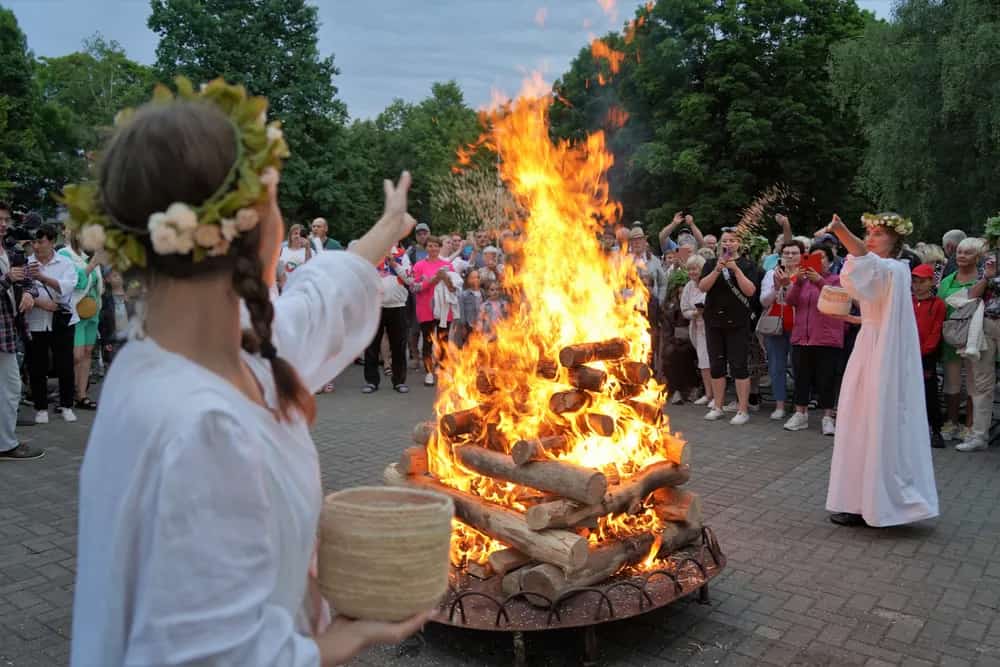
Latvia officially converted to Christianity in the thirteenth century. Latvians celebrated it by continuing their pre-Christian summer solstice festival almost entirely unchanged, renaming it after John the Baptist, and maintaining its naked fire-jumping, oak-wreath wearing, fern-flower searching, and all-night folk singing with such dedication that UNESCO called it one of Europe's most complete surviving ancient ritual traditions. Here is what the fire is actually for.
Madagascar
15m
Jun 15, 2026
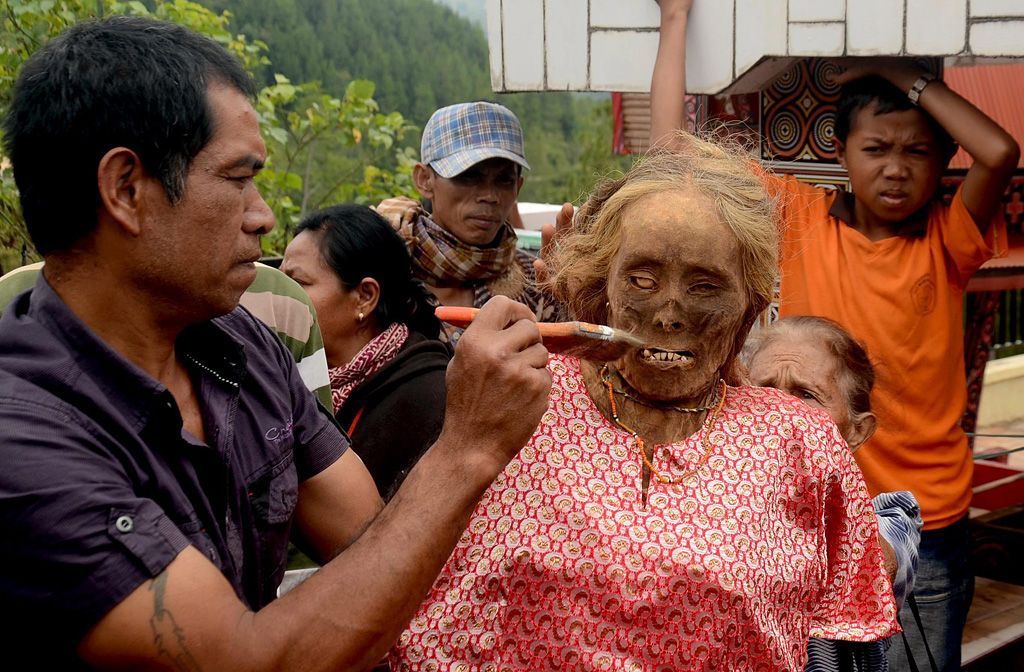
In the highlands of Madagascar, families exhume their dead relatives, wrap them in fresh silk, dance with them, share news and food with them, and return them to the tomb with laughter and music. To outside eyes, this looks like a confrontation with death. To the Malagasy, it is the opposite: a celebration of the continuing relationship between the living and those who have not yet left.
Lithuania
14m
Jun 15, 2026
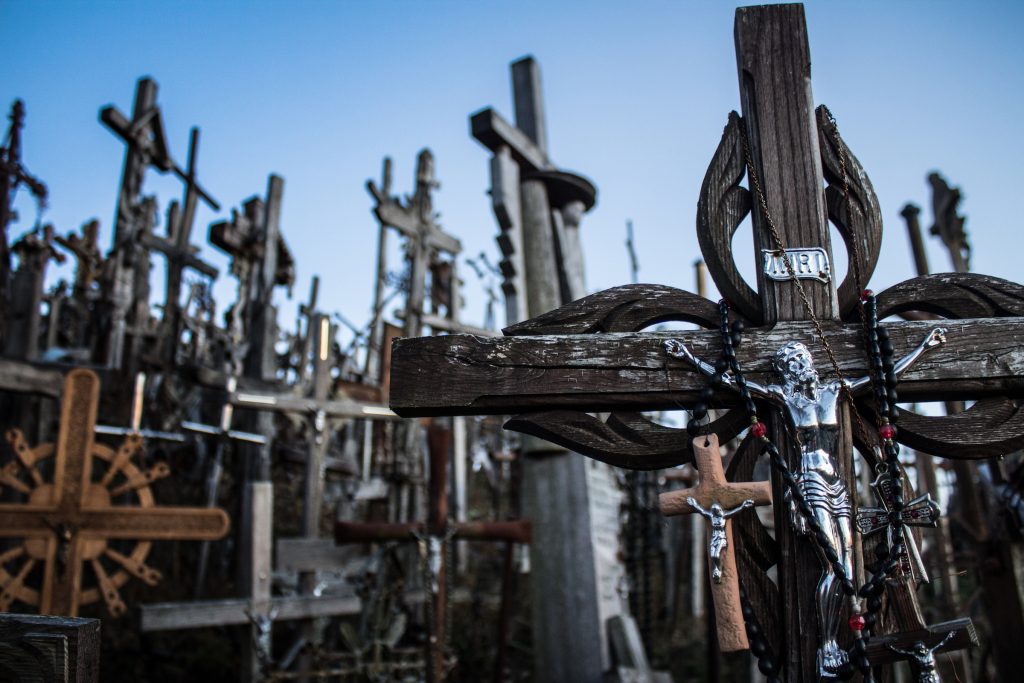
Lithuania was the last country in Europe to officially adopt Christianity — in 1387. Before that, it maintained a living pagan tradition of sacred wooden poles and forest shrines that its craftsmen simply folded into the new faith's symbols. The result is one of the world's most distinctive folk art traditions: carved wooden crosses so elaborate and so theologically layered that UNESCO called them irreplaceable. The Soviet Union tried to bulldoze them. The Lithuanians kept making them anyway.
Albania
15m
May 09, 2026
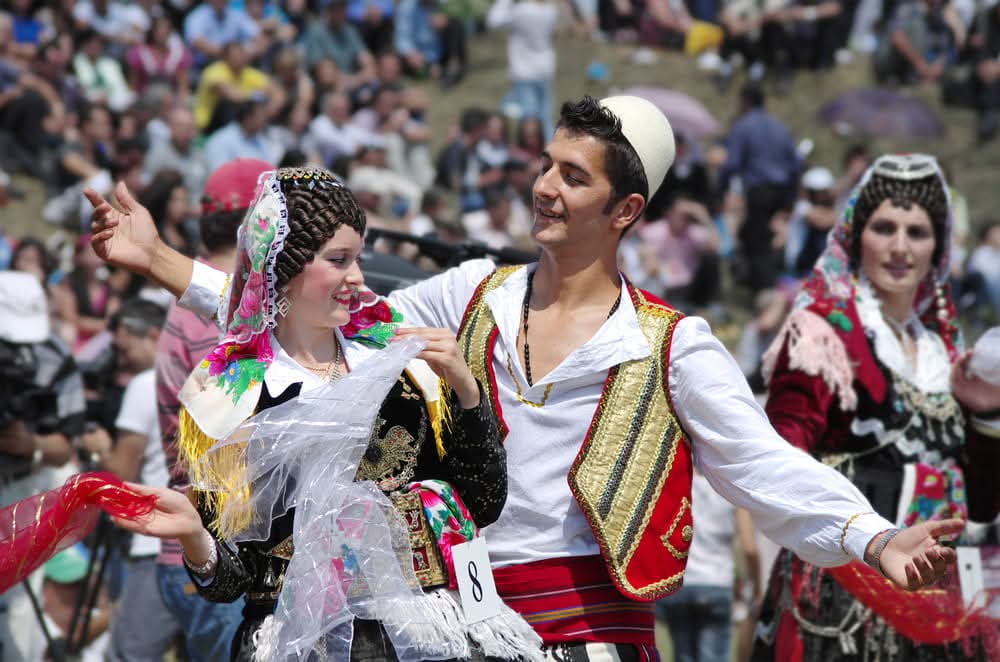
During World War II, Albanian Muslim families hid Jewish refugees in their homes at mortal risk to themselves — not because of political ideology, not because of religious solidarity, but because of a single word: besa. In Albania, a promise given is a promise that transcends law, fear, religion, and self-interest. Here is the code that held a mountain civilization together for five hundred years.
United states of america
14m
Apr 05, 2026
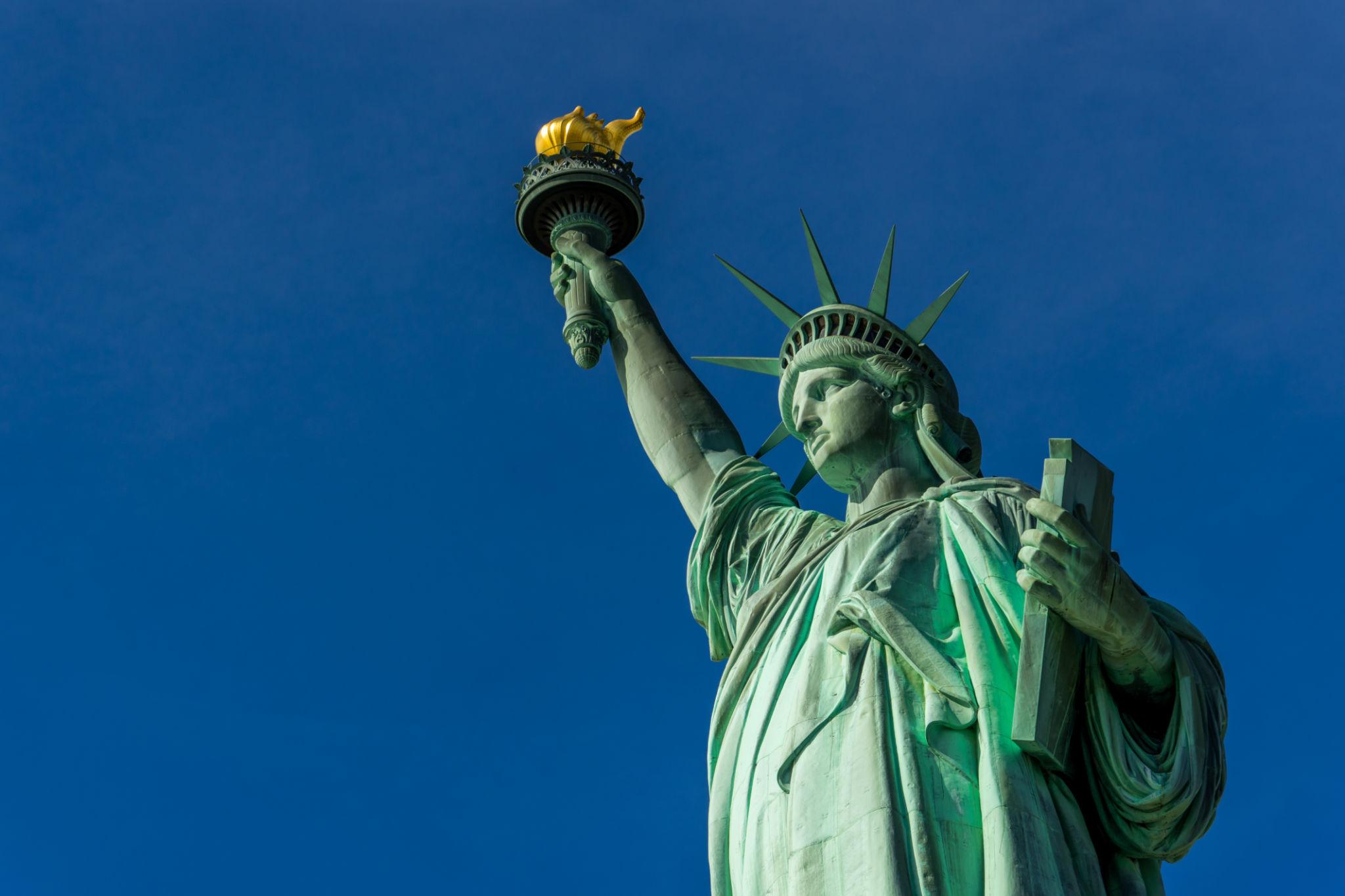
The United States is the only country on earth founded on an argument rather than an ethnicity. That argument — about what freedom means, who it belongs to, and what a society of perpetual newcomers owes each other — has never been resolved. The argument is the culture. Here is how to understand it.
Sweden
15m
Mar 23, 2026
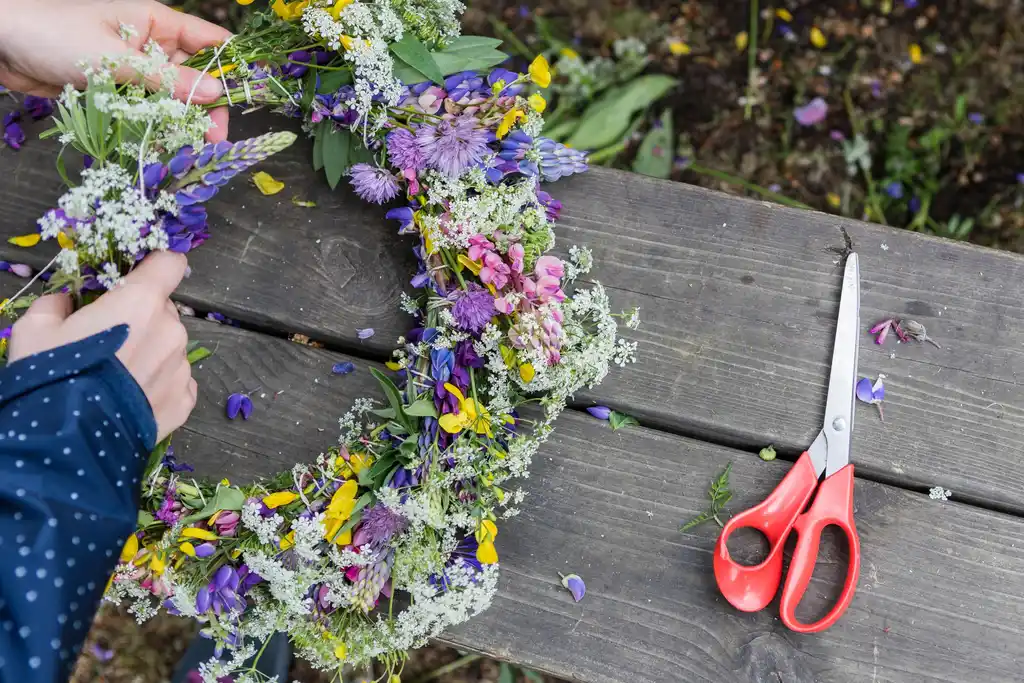
On the longest day of the year, something happens across the Northern Hemisphere that no calendar notification can prepare you for: the sky refuses to go dark. Midsummer is the oldest festival humanity has ever held — and it turns out that light, when there is finally too much of it, makes people do extraordinary things.
Finland
15m
Mar 23, 2026
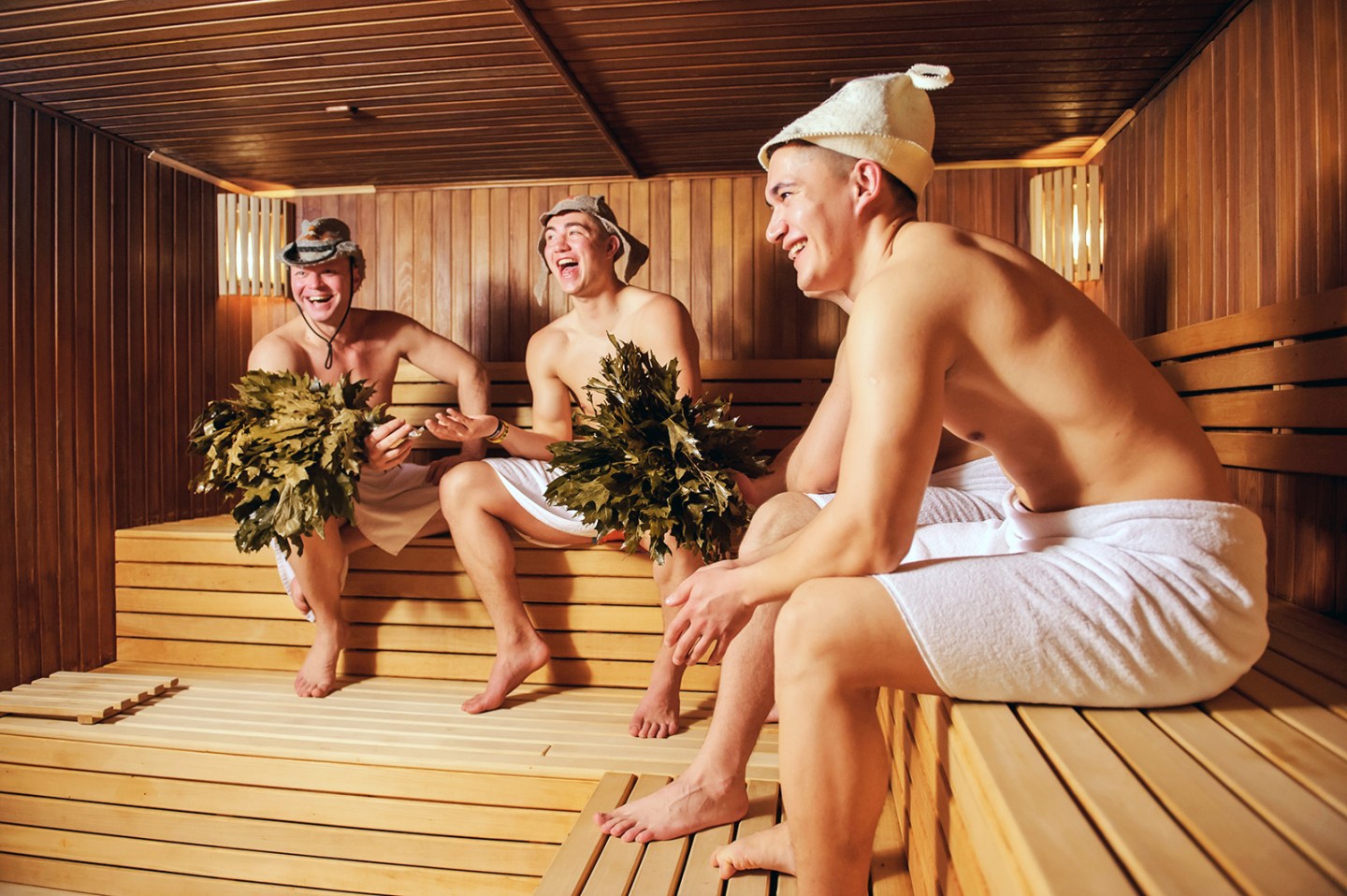
Finland has 5.5 million people and 3.3 million saunas. That ratio is not a quirk of Nordic excess — it is the arithmetic of a cultural institution so central to Finnish life that the country has a saying: build the sauna first, the house second. Here is what happens in the heat, and why it matters.
India
14m
Mar 21, 2026
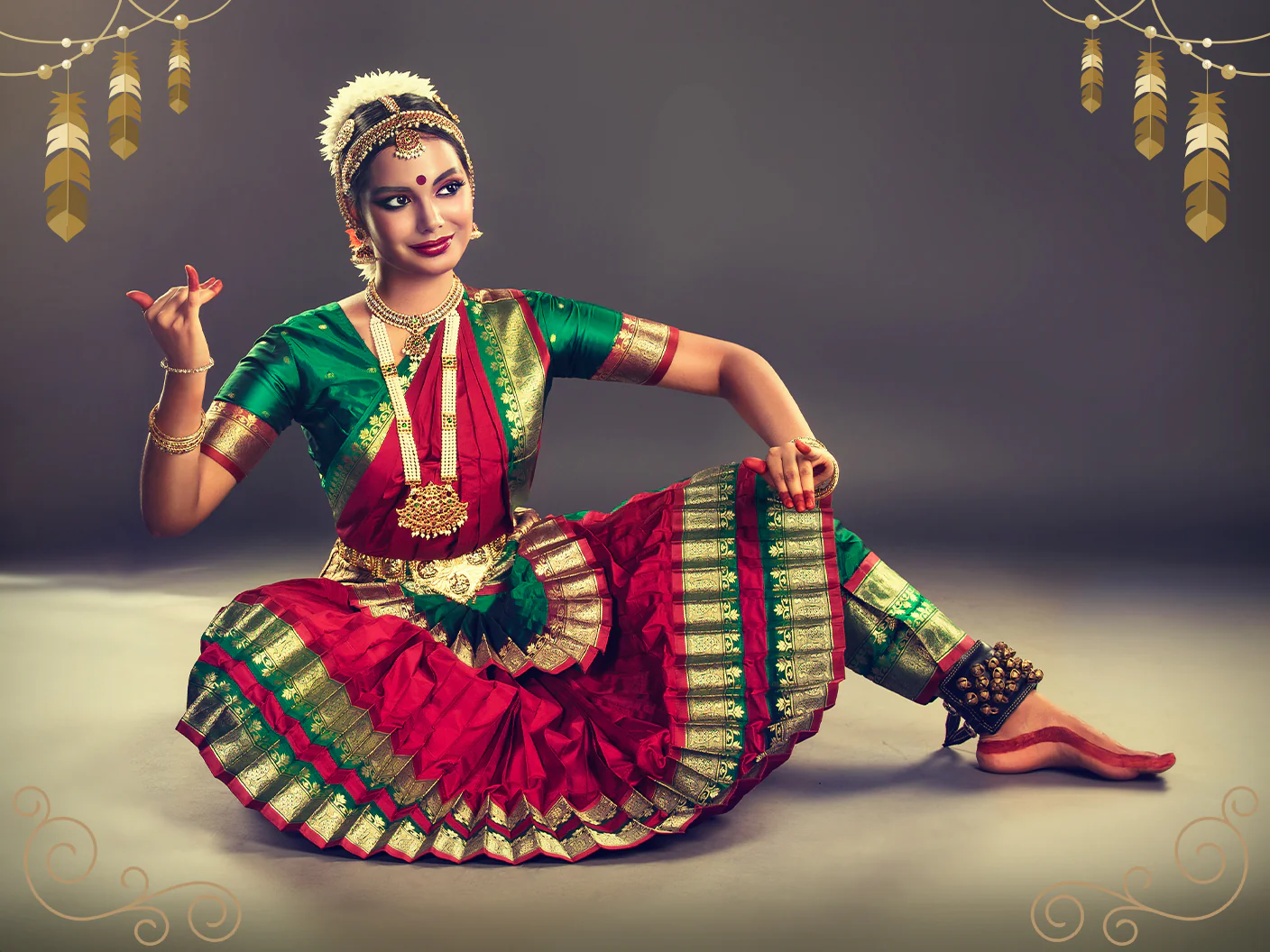
Classical dances of India are among the oldest and most expressive art forms in the world, with Bharatanatyam standing out as one of the most graceful and iconic styles. Originating from the temples of Tamil Nadu, Bharatanatyam combines rhythm, expression, and storytelling to create a powerful cultural experience. These dances are not just performances but spiritual and artistic expressions that reflect history, devotion, and tradition. Today, Bharatanatyam continues to inspire audiences globally while preserving India’s rich cultural heritage.
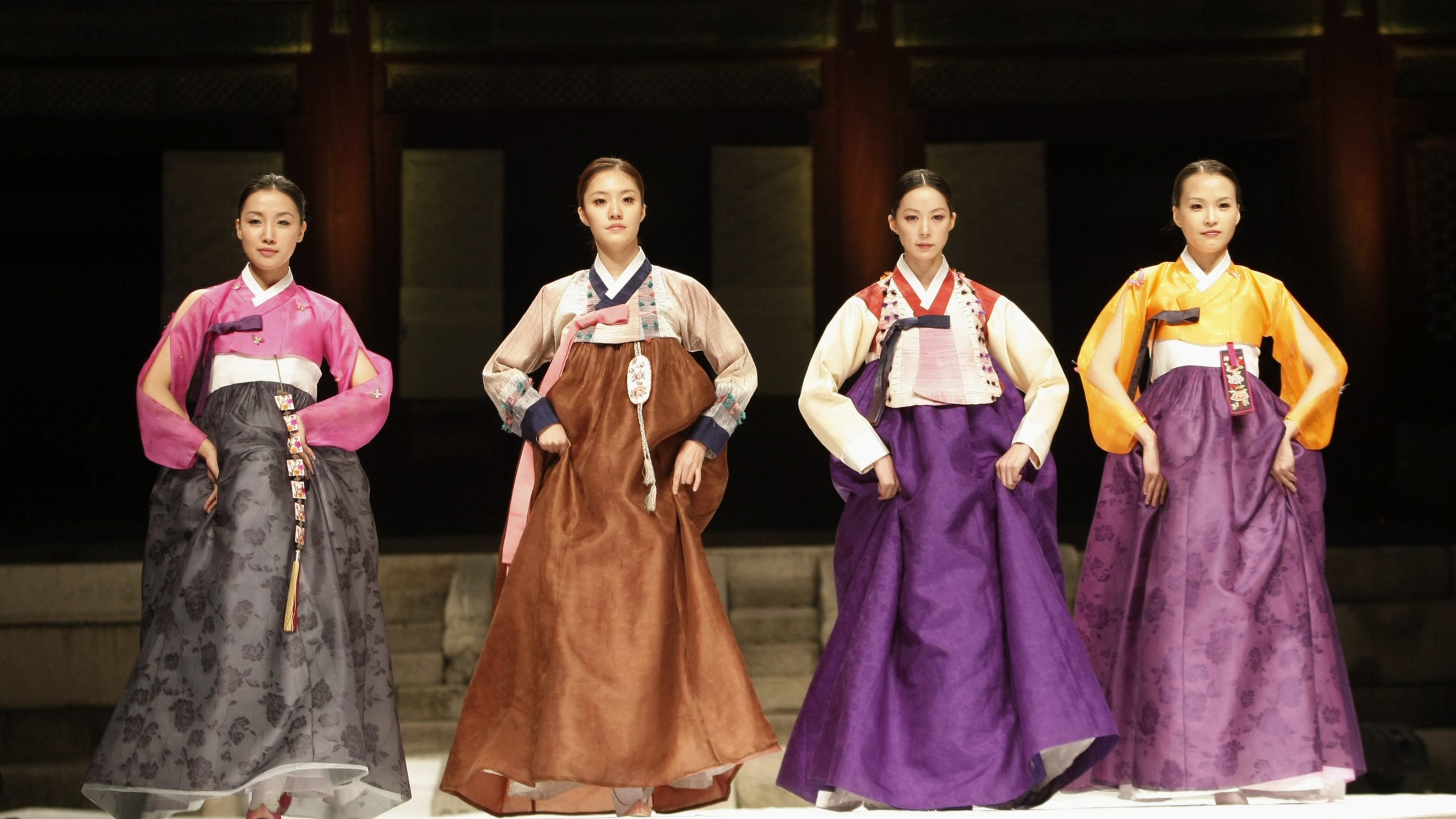
South Korea
12m
Mar 19, 2026
Hanbok is the traditional clothing of South Korea, known for its elegance, vibrant colors, and cultural meaning. Worn during festivals, ceremonies, and special occasions, Hanbok reflects Korean values of harmony, respect, and identity. Beyond its beauty, Hanbok is deeply connected to history, social status, and seasonal traditions. Today, it remains a proud symbol of Korean heritage, blending tradition with modern fashion. Understanding Hanbok is not just about clothing, but about experiencing the rich cultural identity of Korea.

Brazil
9m
Mar 18, 2026
The Rio Carnival is one of the most spectacular cultural festivals in the world, celebrated every year in Rio de Janeiro. Known for its dazzling parades, samba music, colorful costumes, and energetic atmosphere, this festival attracts millions of visitors from around the globe. Rooted in Brazilian culture and history, Rio Carnival represents joy, freedom, and artistic expression. From grand samba parades to lively street parties, the festival showcases the spirit of Brazil in its most vibrant form.

China
8m
Mar 17, 2026
Dumplings are one of the oldest and most beloved foods in the world, found across many cultures with unique variations and flavors. From Chinese dumplings (jiaozi) to Japanese gyoza, Korean mandu, and European pierogi, dumplings represent comfort, tradition, and cultural identity. These small pockets of dough filled with meat, vegetables, or sweets have evolved over centuries, becoming an essential part of festivals, family gatherings, and everyday meals. Dumplings are more than just food; they are a symbol of heritage, unity, and culinary creativity across the globe.

Mexico
13m
Mar 12, 2026
They don’t “visit” the dead in Mexico. They host them.
Every November, families don’t mourn so much as prepare — setting tables, lighting paths, and waiting for someone who never really left.
Death here isn’t an ending. It’s a return with rules, memory, and meals waiting.
#DiaDeLosMuertos #Mexico #Culture #Anthropology #Tradition #DeathAndLife #Mictlan #Ofrenda #CulturalHeritage #Storytelling #CultureXpose