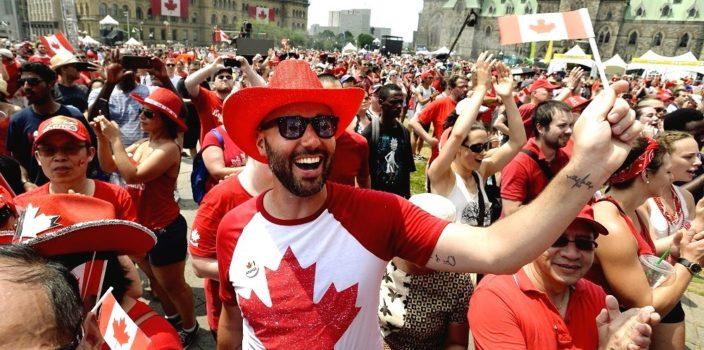
Canada
14m
Jul 11, 2026
Canadians apologize when you bump into them. They say sorry so reflexively that Canada literally passed a law clarifying that apologies don't constitute admissions of legal liability. But the stereotype of Canadian politeness is both accurate and wildly misread — what looks like niceness from the outside is a sophisticated communication system built on deeply held values. Here is what it actually means.
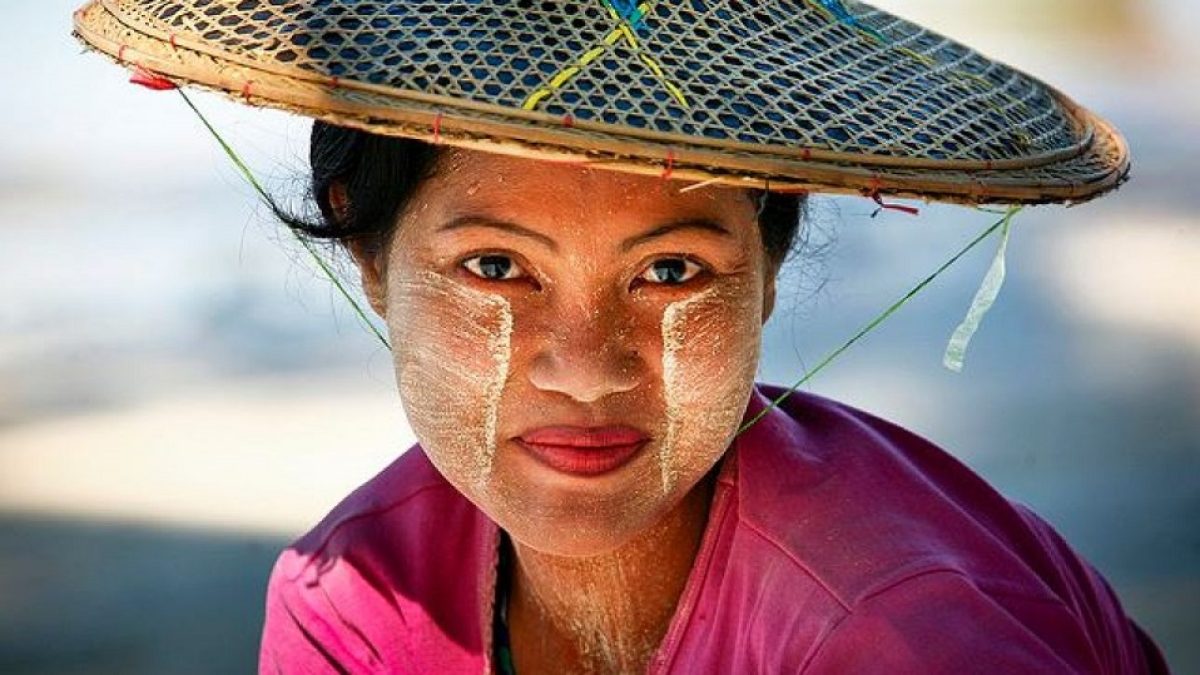
Myanmar
15m
Jul 05, 2026
Every morning, across Myanmar, millions of people grind a small piece of wood against a wet stone and apply the resulting paste to their faces. Thanaka is two thousand years old, cosmetically effective, spiritually protective, and socially essential — and the way it's applied tells you more about Burmese identity than any history book will.
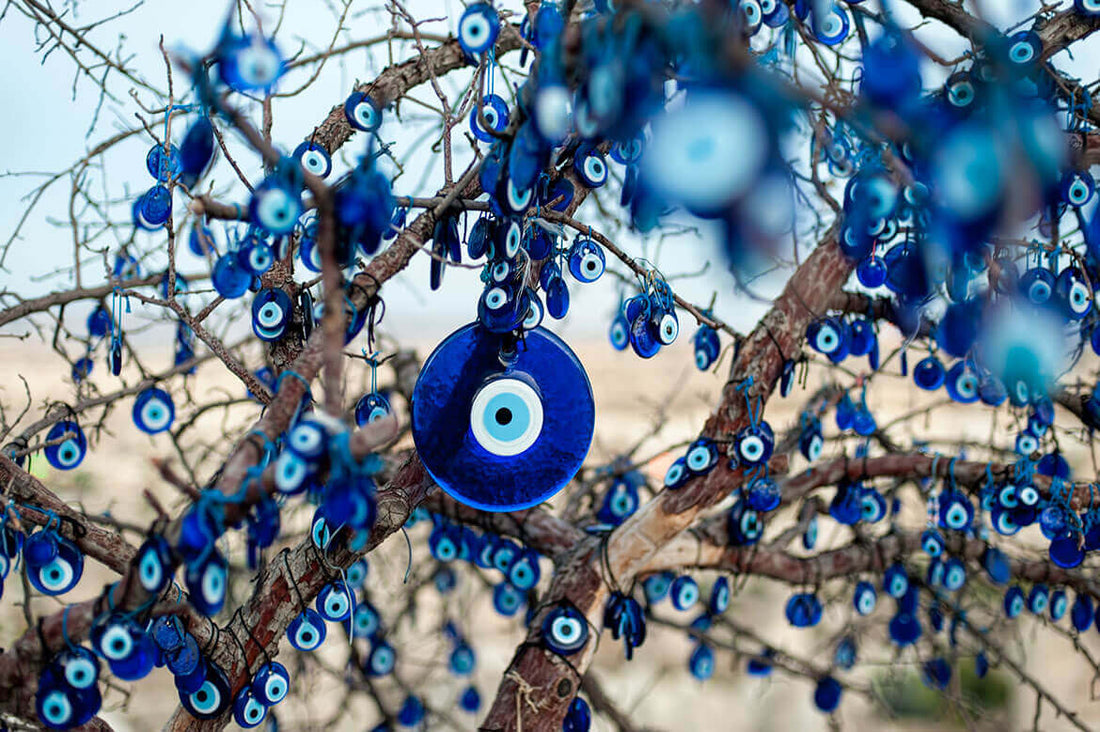
Turkey
15m
Jun 15, 2026
The nazar boncuğu — Turkey's blue glass eye amulet — is one of the world's most widely sold souvenirs. But what tourists carry home as decoration, Turks hang in their homes, pin to their babies, and attach to their cars as genuine protection against a force they take seriously. The evil eye is not superstition dressed in blue glass. It is a 5,000-year-old theory about envy, harm, and the invisible consequences of being seen too well
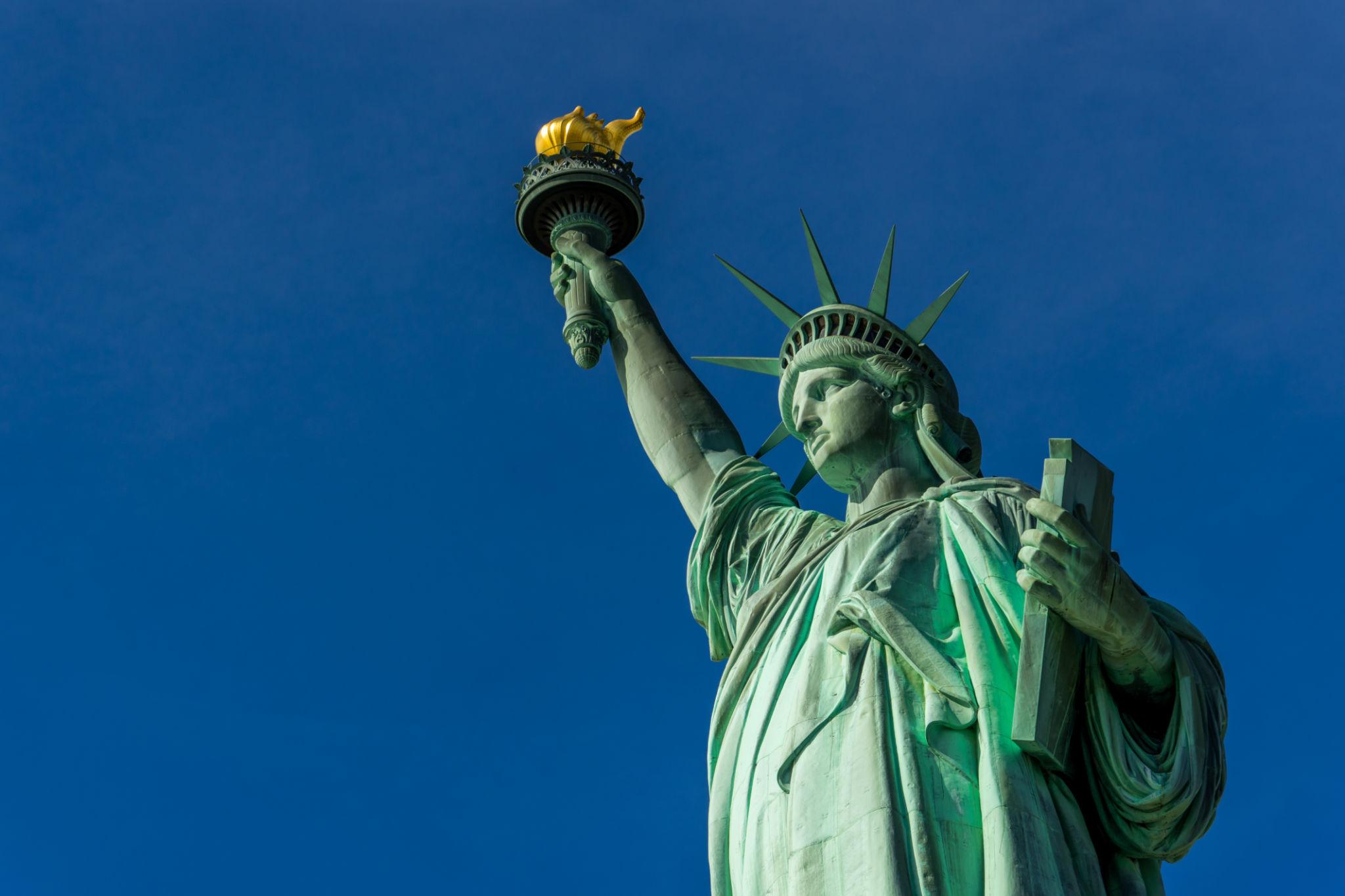
United states of america
14m
Apr 05, 2026
The United States is the only country on earth founded on an argument rather than an ethnicity. That argument — about what freedom means, who it belongs to, and what a society of perpetual newcomers owes each other — has never been resolved. The argument is the culture. Here is how to understand it.
India
16m
Apr 05, 2026
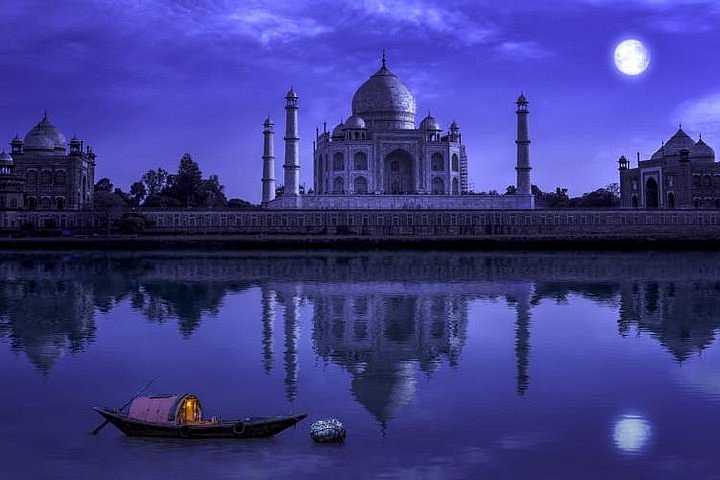
Seven million people visit the Taj Mahal every year. Most see a beautiful building. Fewer understand that what they are looking at is a theological argument in marble — a Mughal emperor's attempt to build paradise on earth for the woman he could not keep alive. The architecture knows exactly what it is doing. Here is how to read it.
India
14m
Mar 21, 2026
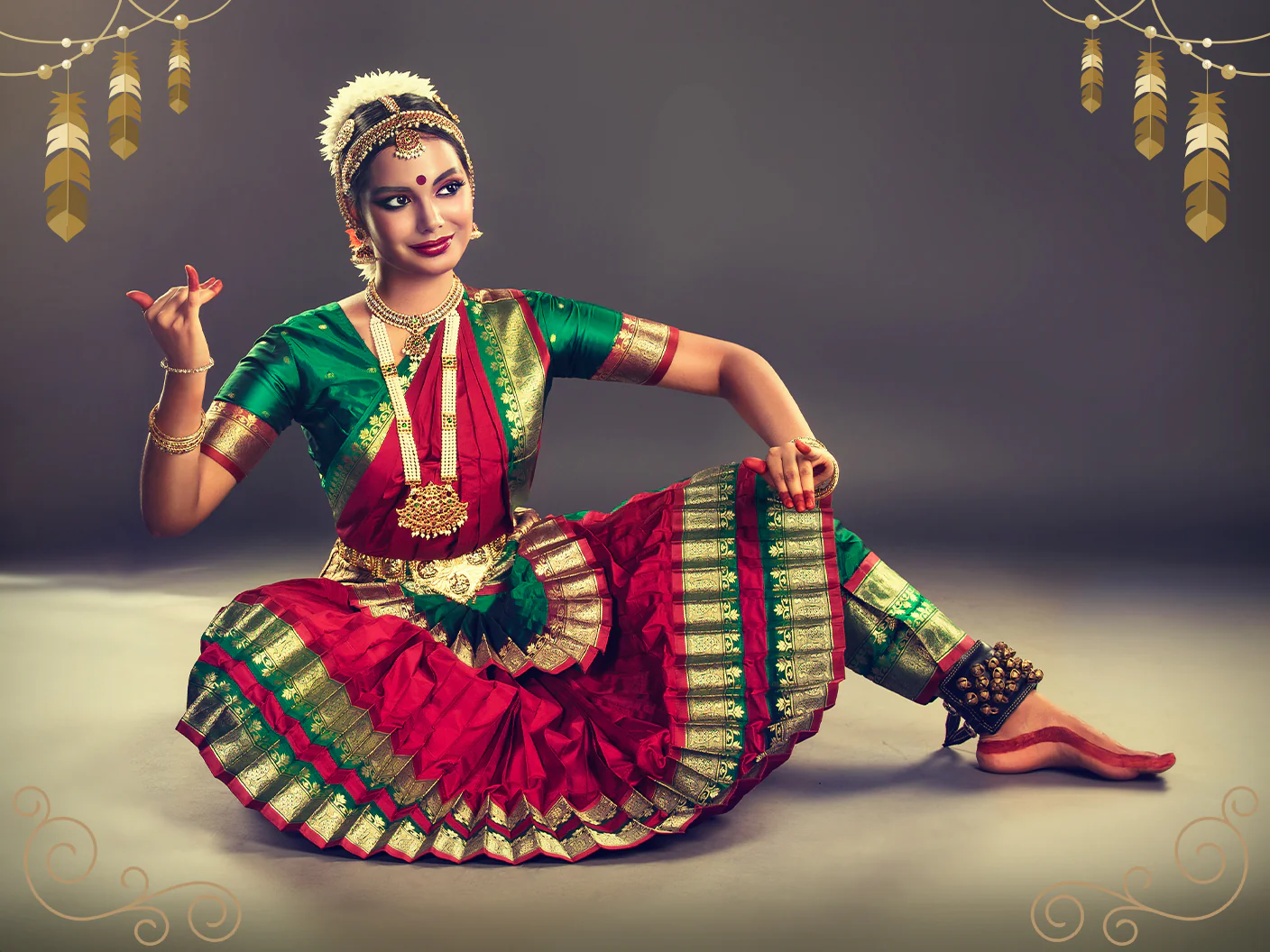
Classical dances of India are among the oldest and most expressive art forms in the world, with Bharatanatyam standing out as one of the most graceful and iconic styles. Originating from the temples of Tamil Nadu, Bharatanatyam combines rhythm, expression, and storytelling to create a powerful cultural experience. These dances are not just performances but spiritual and artistic expressions that reflect history, devotion, and tradition. Today, Bharatanatyam continues to inspire audiences globally while preserving India’s rich cultural heritage.
Spain
11m
Mar 18, 2026
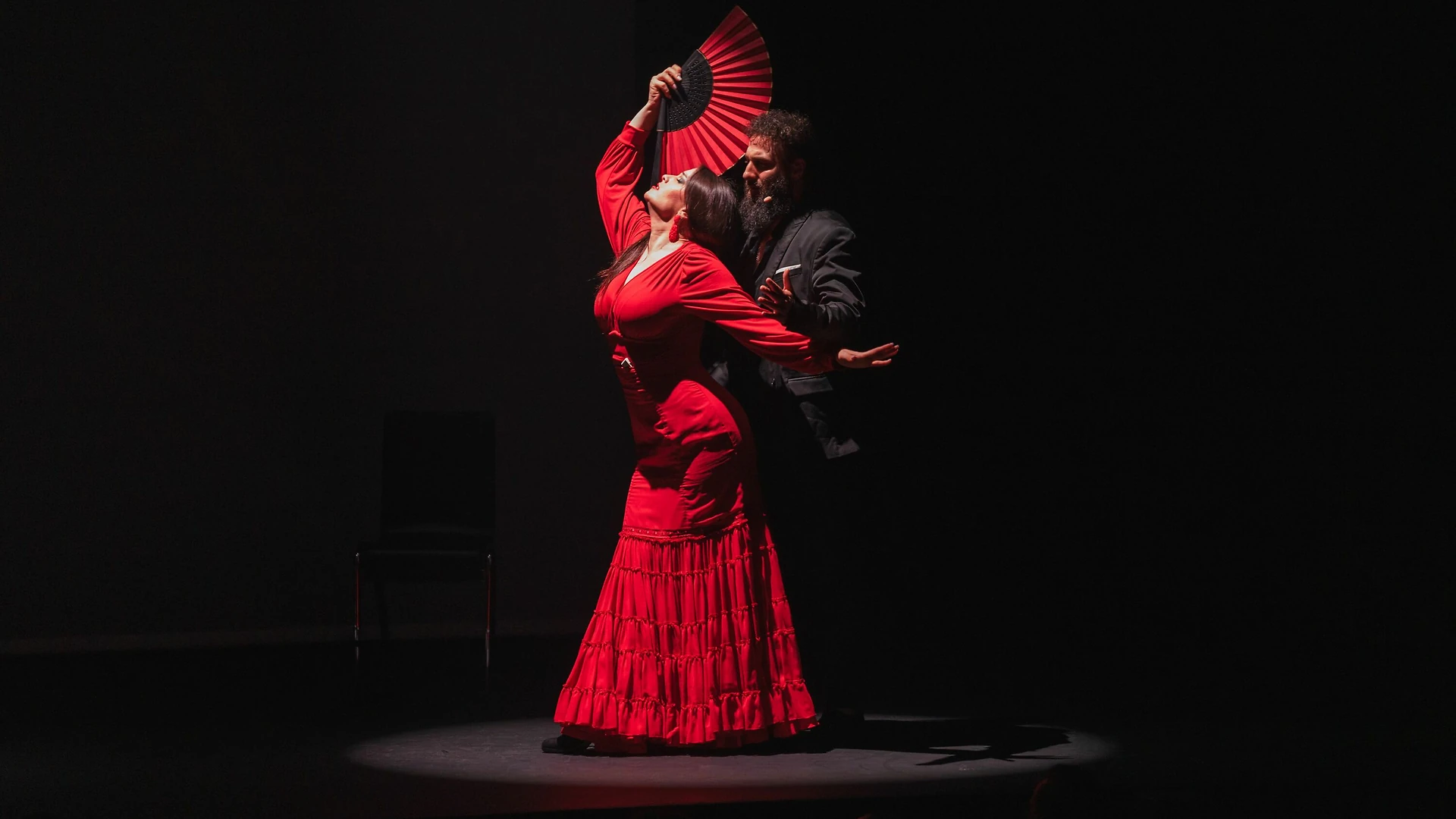
Flamenco dance is one of the most powerful and expressive art forms from Spain, especially rooted in the region of Andalusia. Known for its intense emotions, rhythmic footwork, and dramatic movements, flamenco is more than just a dance. It is a cultural expression that blends music, singing, and storytelling. With deep historical roots influenced by Romani, Moorish, and Andalusian traditions, flamenco represents passion, struggle, and identity. Today, it continues to captivate audiences worldwide with its unique rhythm and artistic depth.

Mauritius
10m
Mar 18, 2026
Sega Dance is a vibrant and rhythmic cultural expression deeply rooted in the islands of the Indian Ocean, especially in Mauritius. Known for its energetic movements, lively music, and emotional storytelling, Sega dance reflects the history, struggles, and joy of the people. Originating from enslaved communities, this dance form became a symbol of freedom, identity, and cultural pride. Today, Sega continues to thrive as a powerful representation of heritage, blending tradition with modern influences.

Kenya
10m
Mar 18, 2026
The Samburu Tribe, residing in northern Kenya, is one of Africa’s most visually striking and culturally rich communities. Known for their colorful attire, intricate beadwork, and pastoral lifestyle, the Samburu have preserved their traditions for centuries. Their way of life revolves around livestock, community values, and deep spiritual beliefs. Beyond aesthetics, the Samburu embody resilience, harmony with nature, and a strong sense of identity. From rituals to festivals, daily practices, and storytelling, every aspect of Samburu life reflects cultural pride. Today, their traditions continue to inspire travelers, anthropologists, and culture enthusiasts worldwide.

India
14m
Mar 17, 2026
Once a year on the Malabar coast, the world’s most rigid hierarchy does something it was never supposed to do: it reverses itself.
A man from a community once considered “untouchable” puts on fire, paint, and a 5-meter crown — and becomes a god. Brahmin priests bow. Villagers seek blessings. And for a few hours, caste doesn’t disappear… it gets overwritten.
Theyyam isn’t performance. It’s a theological argument written in flame, body, and belief — proving that divinity doesn’t ask permission from hierarchy.
#Theyyam #KeralaCulture #IndianTraditions #CasteSystem #LivingGods #FolkTradition #CulturalHeritage #RitualPerformance #SacredArt #SouthIndia #Anthropology #ReligiousStudies #CulturalHistory #CultureXpose

India
9m
Mar 10, 2026
Once a year, an entire society is given permission to forget how it is supposed to behave.
Bosses are chased by employees, strangers pull each other into clouds of color, and the usual lines of caste, class, and age stop holding for long enough that no one can pretend they were ever permanent.
This is Holi — not just a festival of color, but a ritualized collapse of order. Its mythology is darker than it looks: a father who tries to burn his own son, a cloak that betrays power, a child whose refusal to submit becomes the moral center of the story. What follows is not celebration as we usually understand it, but a sanctioned inversion of everything that holds society still.
For a few hours, hierarchy doesn’t disappear. It just stops being obeyed.
And everyone remembers what that feels like.
#Holi #India #FestivalOfColors #Culture #Mythology #Tradition #SocialAnthropology #CulturalHistory #Festivals #Identity #SouthAsia #Ritual #HumanBehavior #CultureXpose

SCOTLAND
12m
Mar 09, 2026
A nation outlawed its own symbols… and then taught the world to fall in love with them.
In the 18th century, tartan was banned in Scotland. Clan identity was dismantled, Gaelic was suppressed, and the Highland world was systematically broken apart. What followed wasn’t simple preservation — it was reinvention on a national scale.
A generation later, the same “forbidden” culture reappeared: kilts at royal pageants, bagpipes echoing across empires, tartan patterns assigned and exported, a romantic Scotland reborn not as it was — but as it would be remembered.
This is the paradox at the heart of Scottish identity: a culture that survived by being rebuilt, then became more powerful in imagination than many nations that never fell.
Not a museum of the past — but a story deliberately rewritten to endure.
#Scotland #CulturalHistory #Identity #Heritage #History #Culture #Tartan #Bagpipes #Gaelic #NationBuilding #HistoricalNarrative #Anthropology #CulturalIdentity #CultureXpose