North Macedonia
14m
Jul 12, 2026
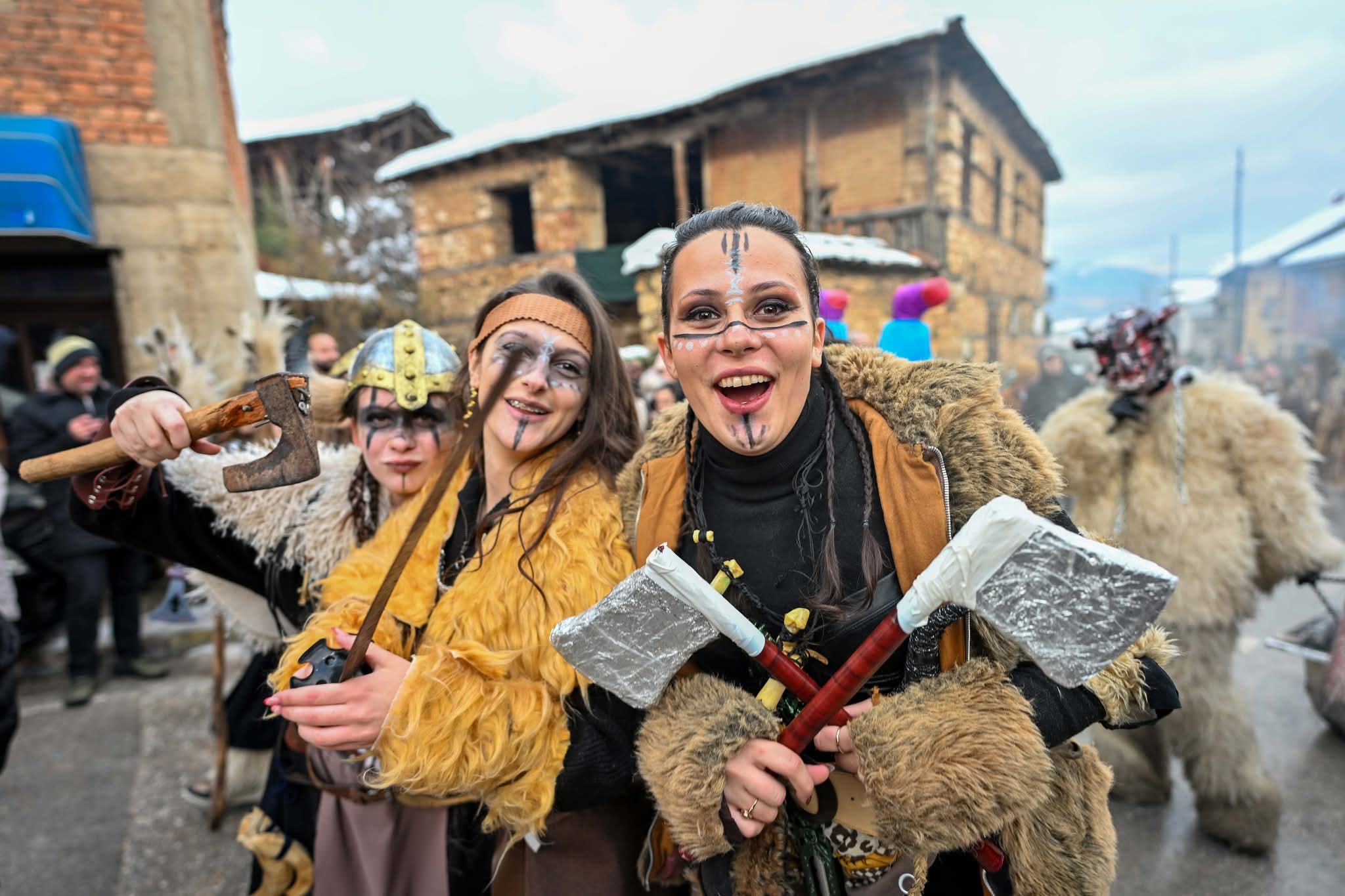
North Macedonia is known for its Village Patron Saint Festivals, a unique tradition where communities honor the saint believed to protect their village. These annual celebrations combine religious ceremonies, traditional foods, folk music, dancing, and family gatherings. The festivals help preserve cultural heritage, strengthen community bonds, and pass traditions to younger generations. Families often travel long distances to reunite and celebrate together. More than a religious event, the festival represents local identity, pride, and social unity. Even today, Village Patron Saint Festivals remain one of the most important and respected cultural traditions in North Macedonia.
Greece
14m
Jul 11, 2026
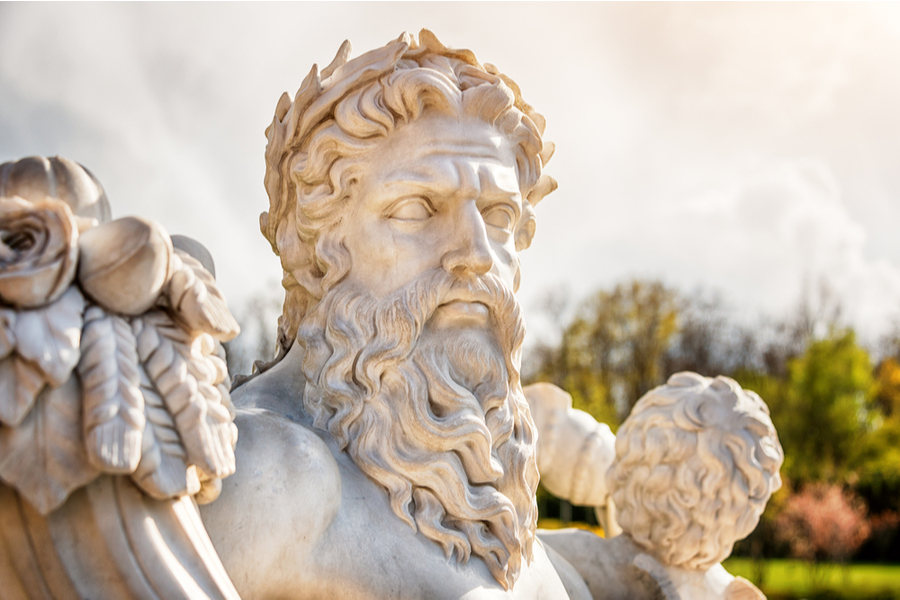
The ancient Greeks stopped worshipping Zeus roughly 1,500 years ago. Yet Greek mythology has never left us — it lives in the words we speak daily, the psychological diagnoses in clinical manuals, the planets overhead, and the stories that global cinema keeps retelling. The gods did not die. They migrated into everything else.
Ireland
15m
Jun 16, 2026
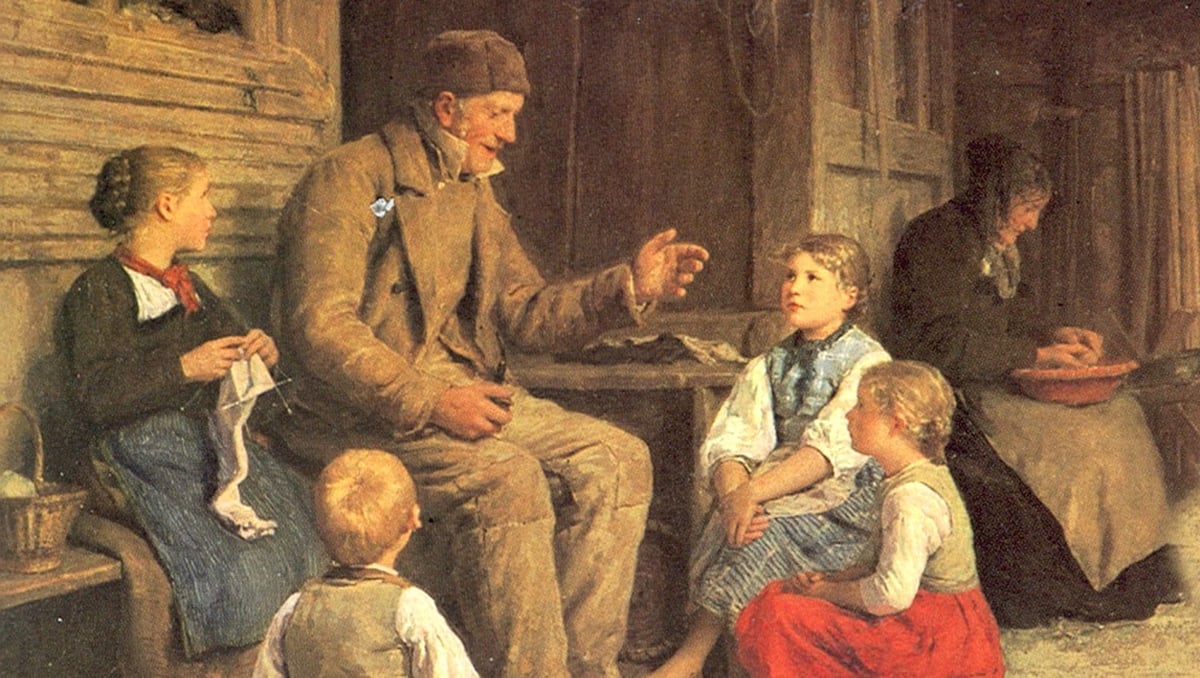
Before Ireland wrote anything down, it had the seanchaí — the professional storyteller-historian who memorized the genealogies of kings, the legal decisions of judges, the mythological history of the landscape, and thousands of stories connecting the living to the dead and to the supernatural world. The tradition is 2,000 years old. It is still alive. And it turns out that what the seanchaí knew, written culture consistently fails to preserve.
Iceland
14m
Jun 16, 2026
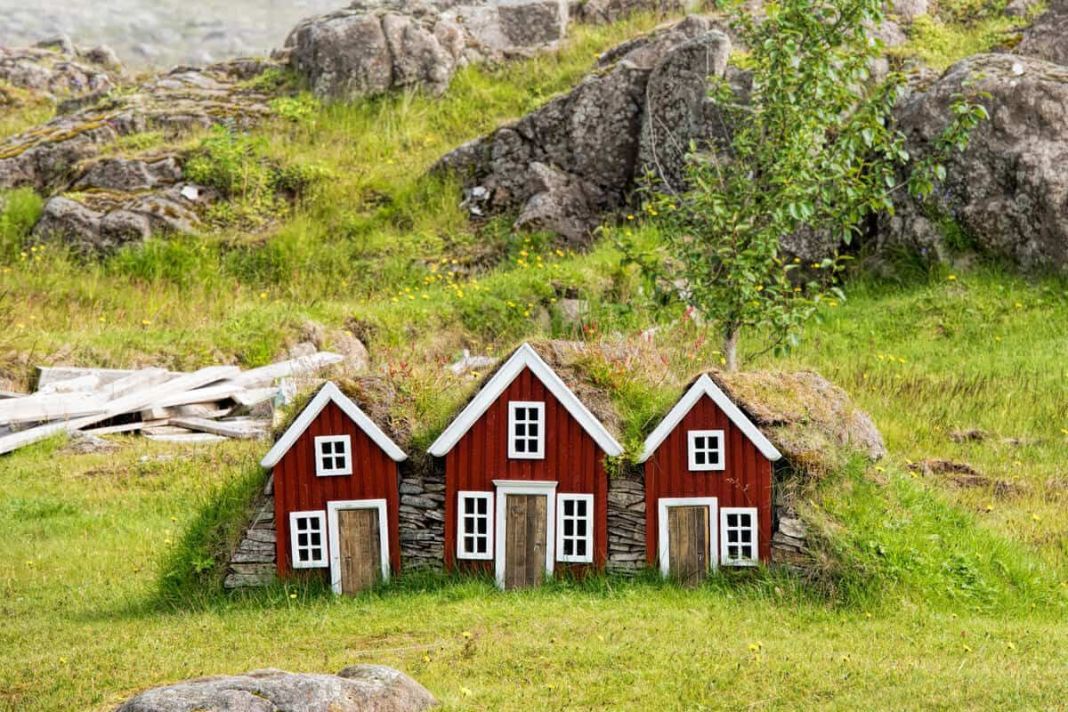
Iceland reroutes roads to avoid disturbing elf rocks. Contractors have delayed construction projects when clairvoyants reported hidden folk in the affected area. Polls show that a significant majority of Icelanders refuse to deny the existence of elves. This is one of the world's most literate, technologically sophisticated societies. So what is actually going on?
Madagascar
15m
Jun 15, 2026
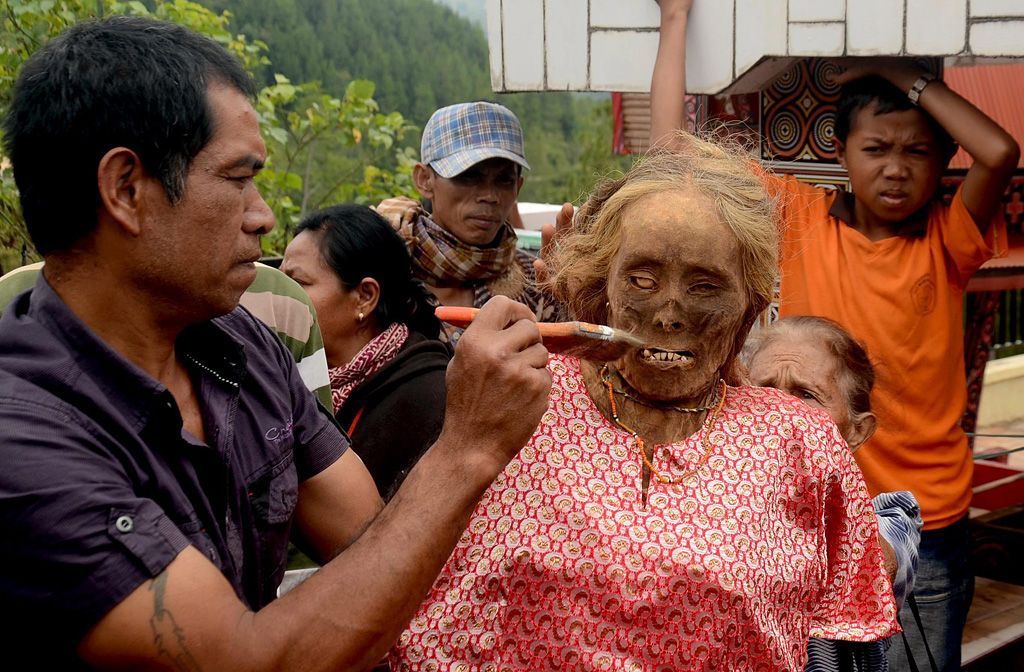
In the highlands of Madagascar, families exhume their dead relatives, wrap them in fresh silk, dance with them, share news and food with them, and return them to the tomb with laughter and music. To outside eyes, this looks like a confrontation with death. To the Malagasy, it is the opposite: a celebration of the continuing relationship between the living and those who have not yet left.
Switzerland
15m
Jun 15, 2026
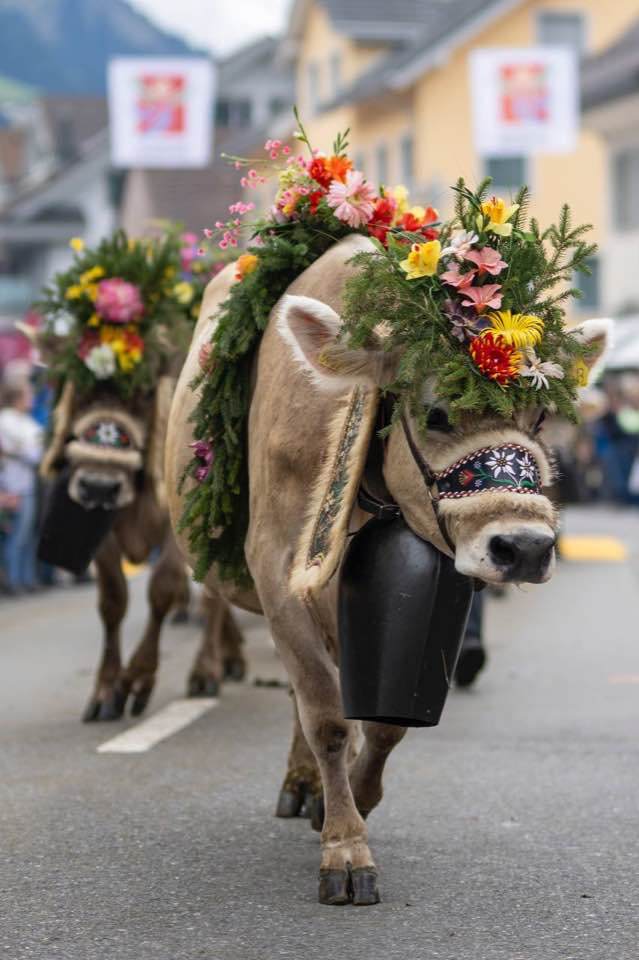
Every autumn in the Swiss Alps, herds of cows adorned with enormous flower headdresses and ceremonial bells descend from high mountain pastures in a procession that has been made every year for at least a thousand years. This is not a festival put on for tourists. It is a genuine agricultural migration — and the tradition wrapped around it is one of the most complete expressions of mountain civilization anywhere in the world.
Lithuania
14m
Jun 15, 2026
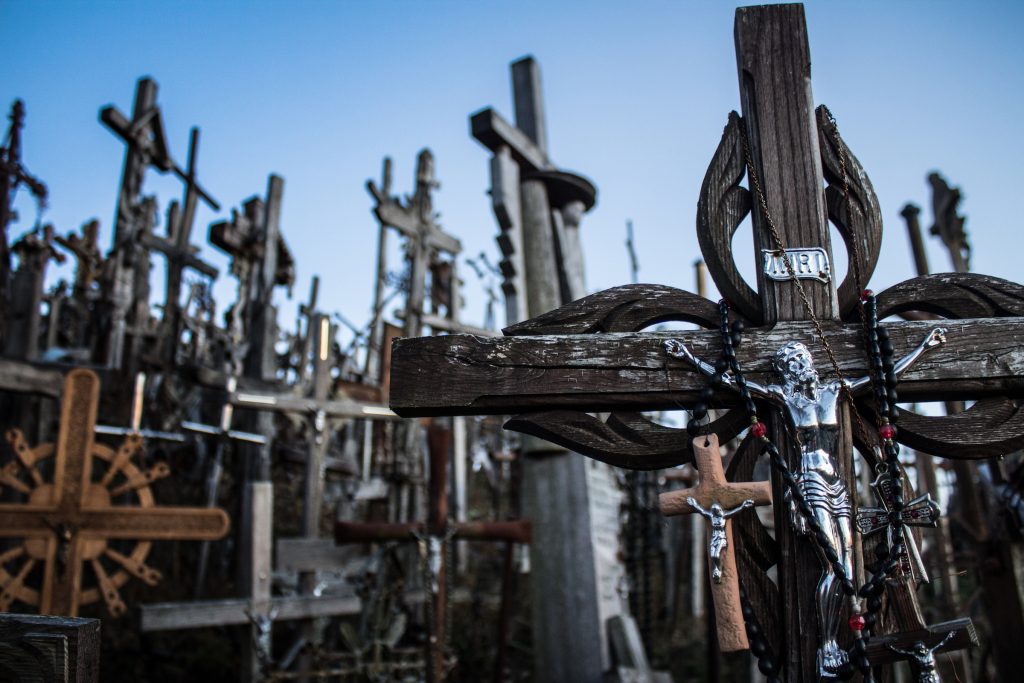
Lithuania was the last country in Europe to officially adopt Christianity — in 1387. Before that, it maintained a living pagan tradition of sacred wooden poles and forest shrines that its craftsmen simply folded into the new faith's symbols. The result is one of the world's most distinctive folk art traditions: carved wooden crosses so elaborate and so theologically layered that UNESCO called them irreplaceable. The Soviet Union tried to bulldoze them. The Lithuanians kept making them anyway.
Egypt
15m
Apr 07, 2026
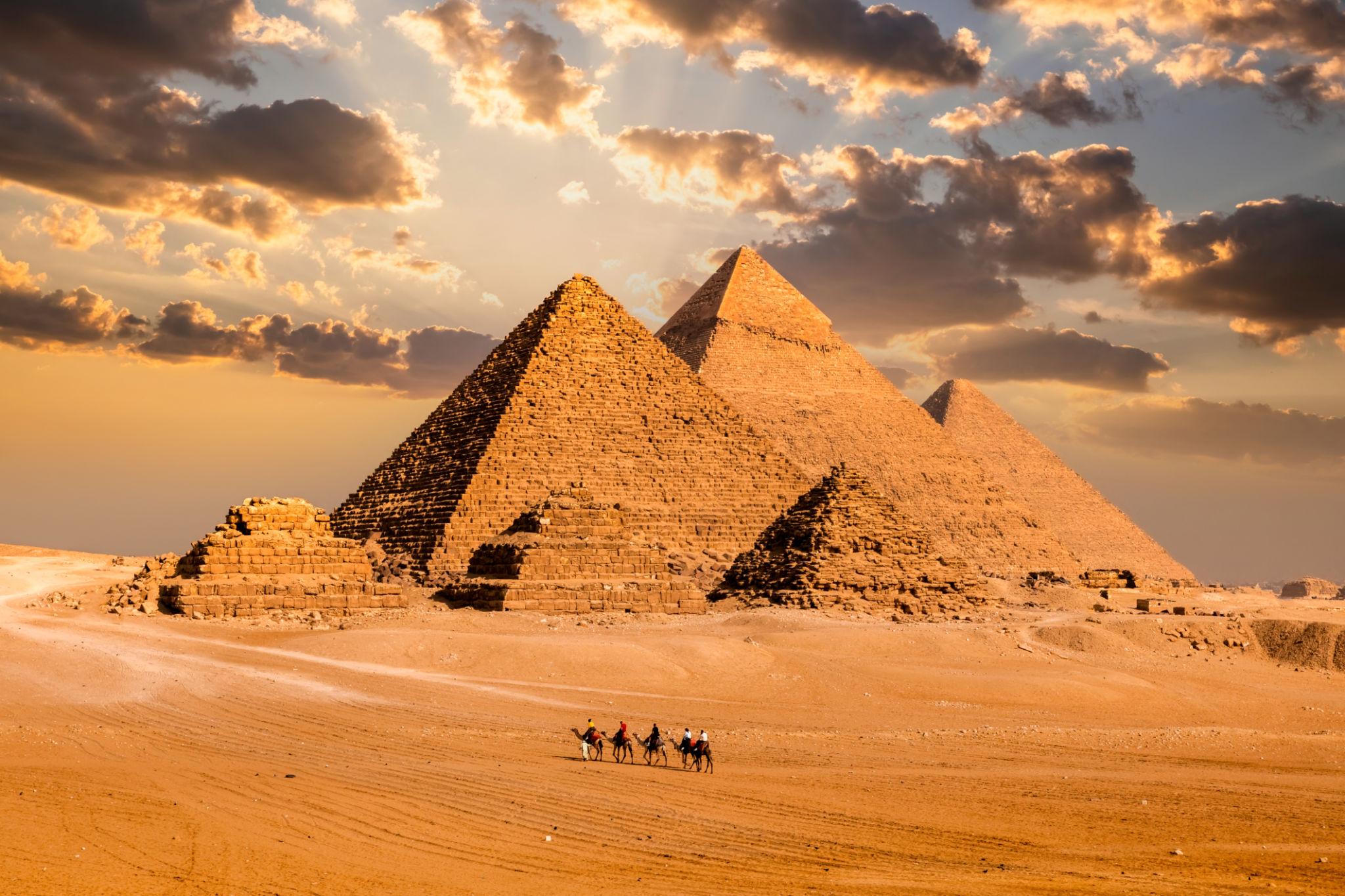
The Great Pyramid of Giza is the only Wonder of the Ancient World still standing — and it is also the least understood. It was not built by slaves. It was not built to store grain. It was not decorated inside with hieroglyphs. Almost everything the popular imagination knows about the pyramids is wrong. Here is what four thousand years of archaeology and scholarship has actually found.
Finland
15m
Mar 23, 2026
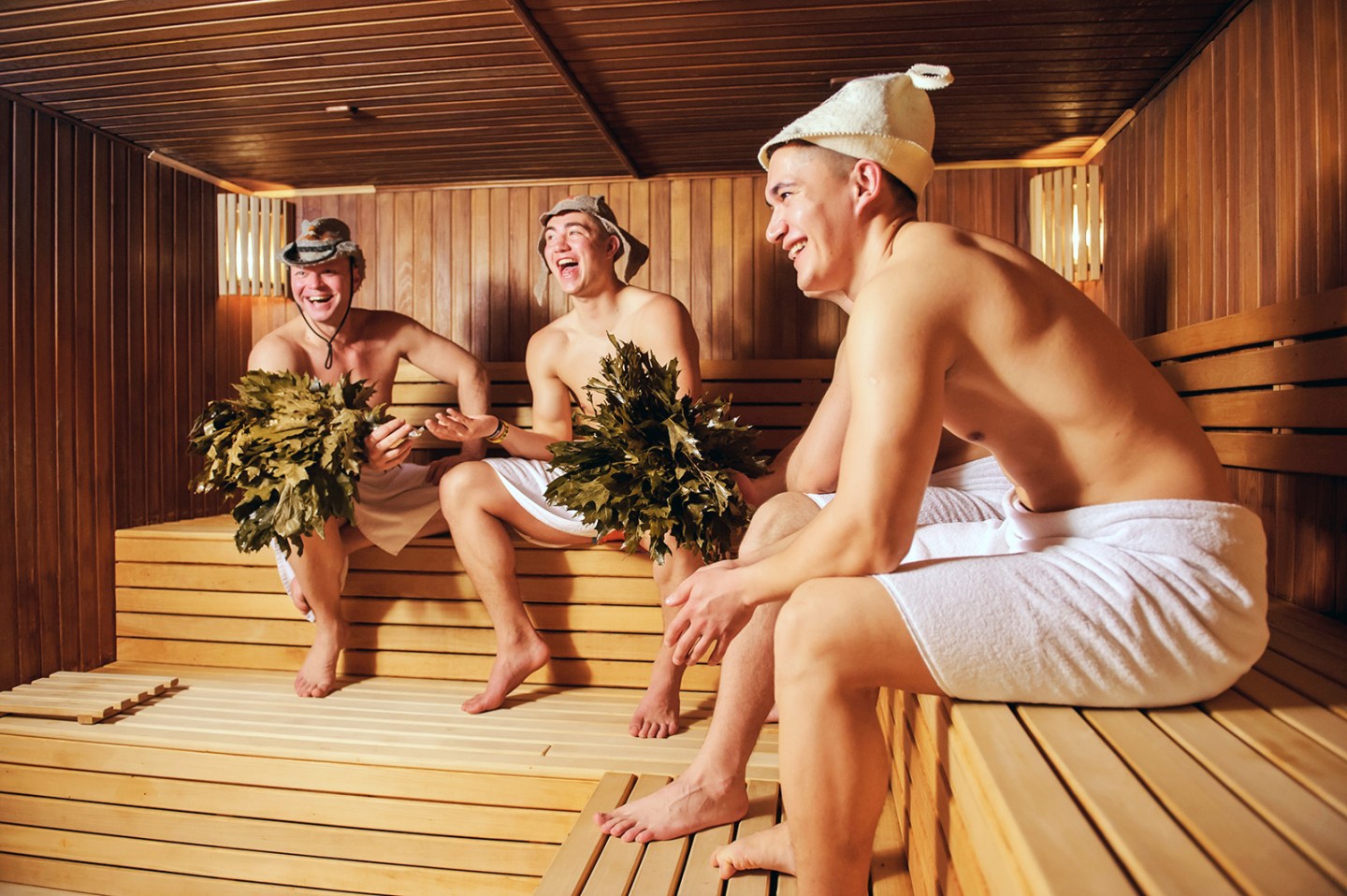
Finland has 5.5 million people and 3.3 million saunas. That ratio is not a quirk of Nordic excess — it is the arithmetic of a cultural institution so central to Finnish life that the country has a saying: build the sauna first, the house second. Here is what happens in the heat, and why it matters.
Papua New Guinea
11m
Mar 18, 2026
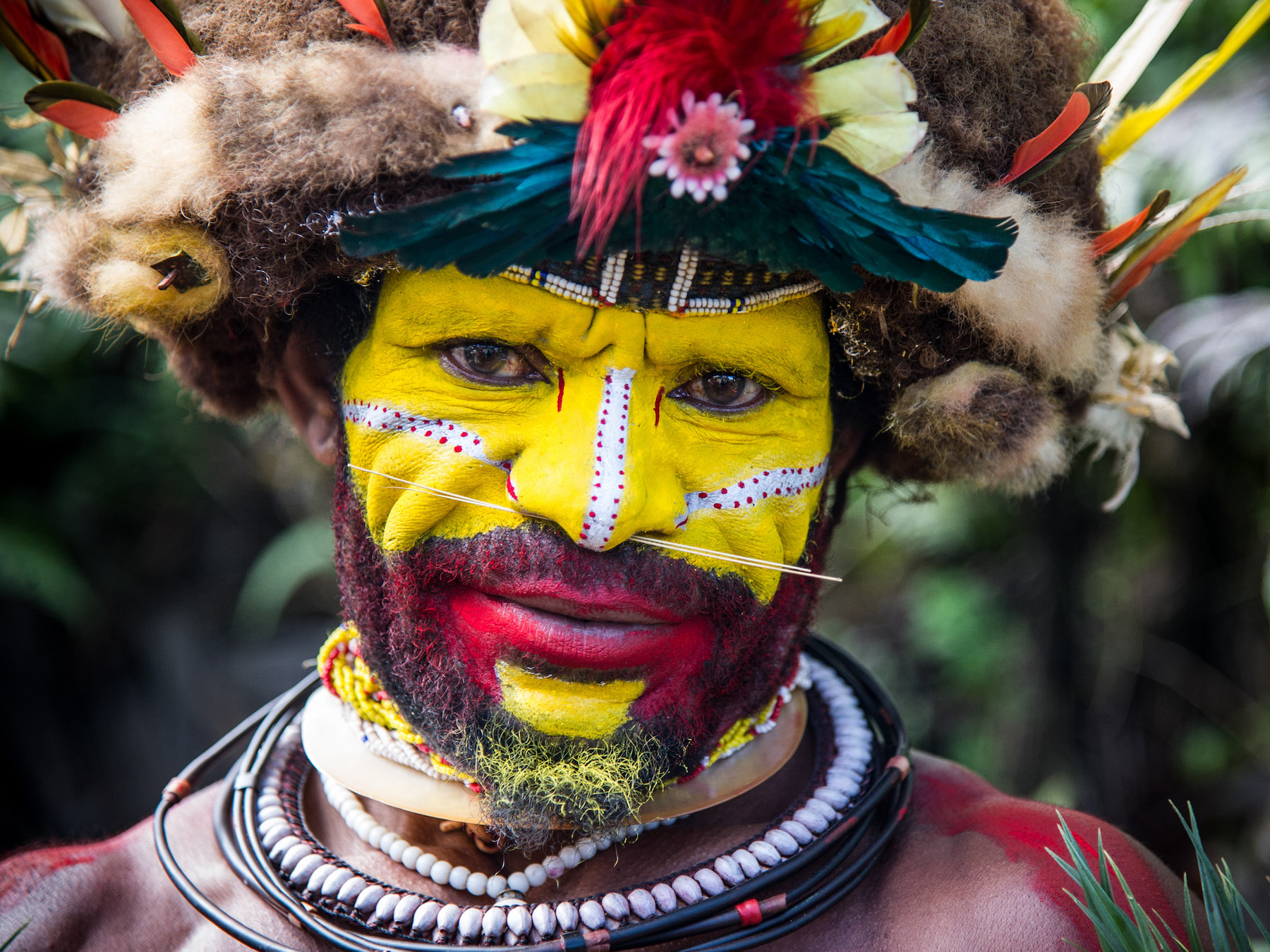
Tribal face painting in Papua New Guinea is a striking and meaningful cultural practice that reflects identity, status, and spiritual beliefs. Known for its bold colors and intricate patterns, this tradition is commonly seen during festivals, rituals, and ceremonies. Each design tells a story, representing ancestry, tribal affiliation, and connection to nature. Far beyond decoration, face painting in Papua New Guinea is a living expression of heritage, pride, and cultural continuity

Mexico
13m
Mar 12, 2026
They don’t “visit” the dead in Mexico. They host them.
Every November, families don’t mourn so much as prepare — setting tables, lighting paths, and waiting for someone who never really left.
Death here isn’t an ending. It’s a return with rules, memory, and meals waiting.
#DiaDeLosMuertos #Mexico #Culture #Anthropology #Tradition #DeathAndLife #Mictlan #Ofrenda #CulturalHeritage #Storytelling #CultureXpose

Nepal
7m
Mar 04, 2026
In the narrow streets of Kathmandu, children run from a demon—but they are never meant to escape it
During the Indra Jatra festival, the Lakhey appears: a fanged, masked figure that charges through crowds, sending laughter and screams through the old city. Yet this is not chaos—it is ritual. A centuries-old performance where fear becomes play, and a “demon” is remembered not as a threat, but as a guardian who chose to stay.
In that moment of chase and laughter, Nepal’s Newar tradition reveals something deeper: protection, fear, and joy can all share the same street.
#Nepal #IndraJatra #Lakhey #NewarCulture #Festival #Mythology #StreetPerformance #Culture #Heritage #CultureXpose