North Macedonia
14m
Jul 12, 2026
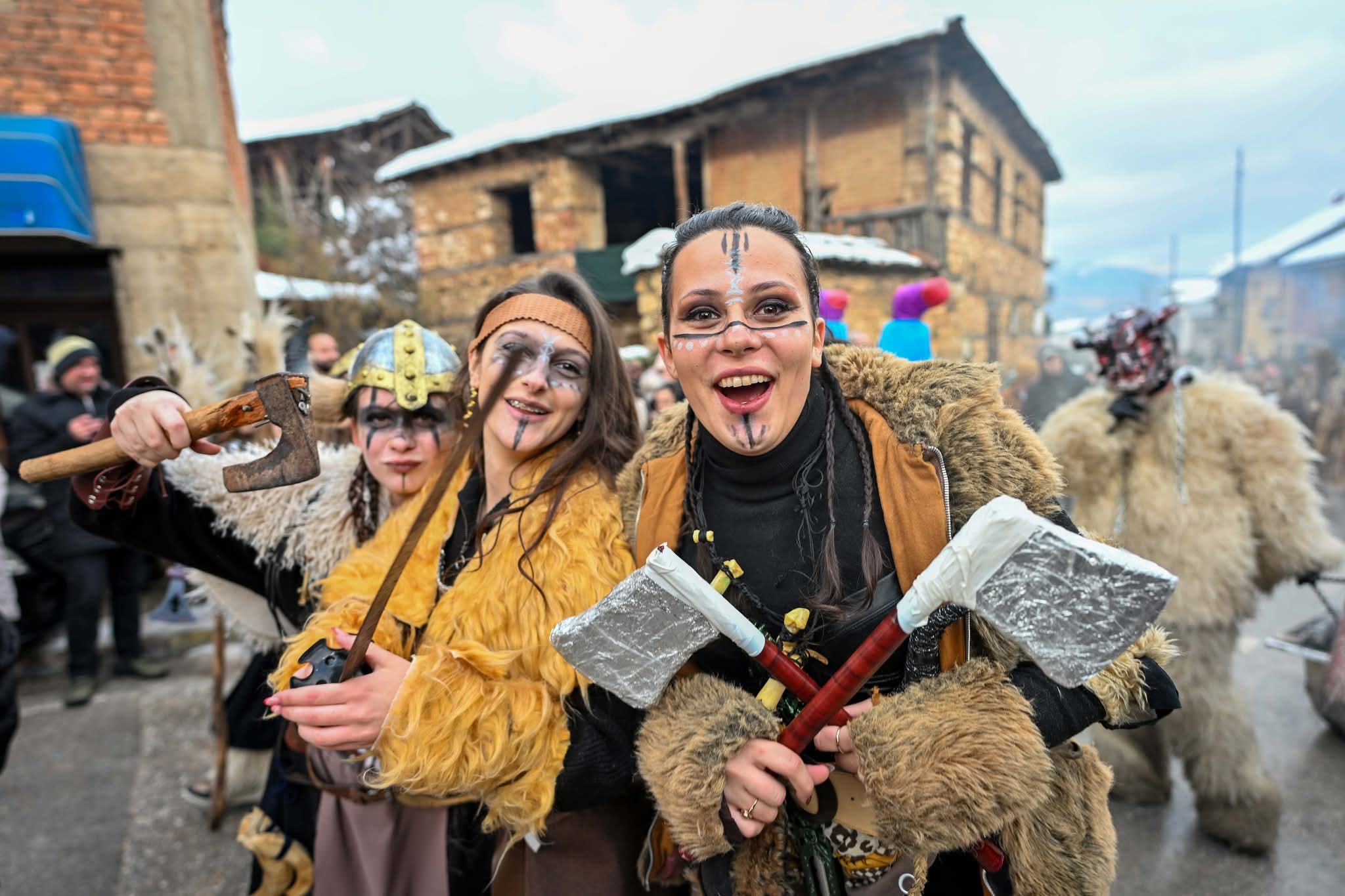
North Macedonia is known for its Village Patron Saint Festivals, a unique tradition where communities honor the saint believed to protect their village. These annual celebrations combine religious ceremonies, traditional foods, folk music, dancing, and family gatherings. The festivals help preserve cultural heritage, strengthen community bonds, and pass traditions to younger generations. Families often travel long distances to reunite and celebrate together. More than a religious event, the festival represents local identity, pride, and social unity. Even today, Village Patron Saint Festivals remain one of the most important and respected cultural traditions in North Macedonia.
Myanmar
15m
Jul 05, 2026
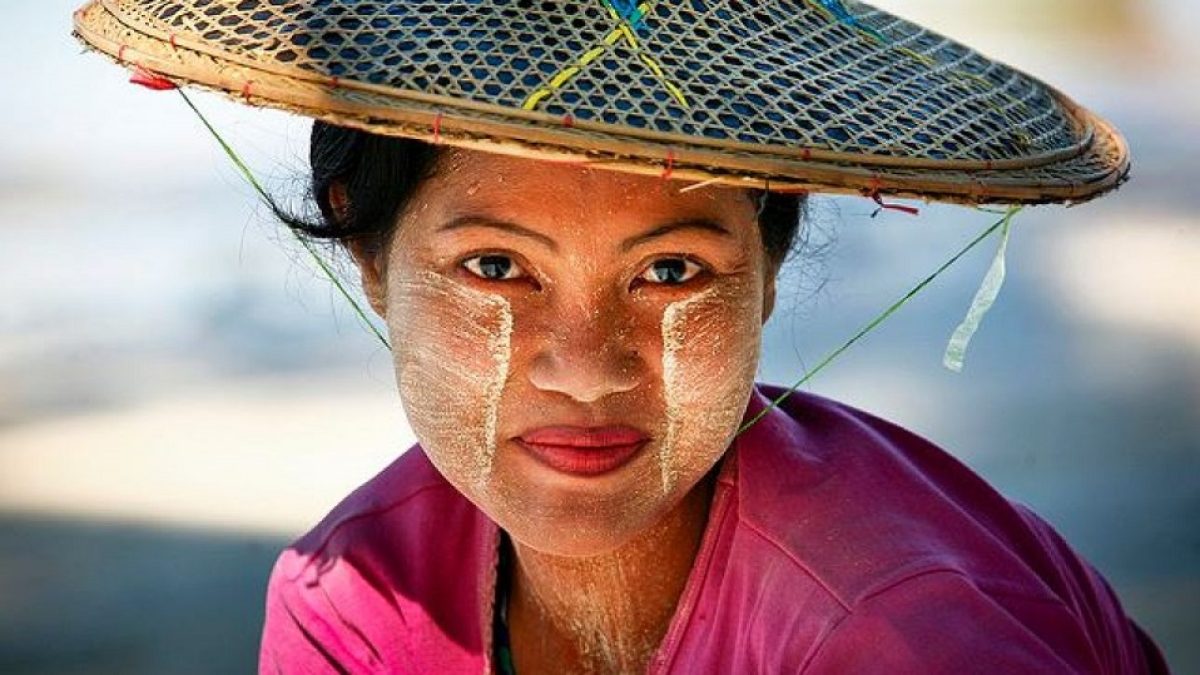
Every morning, across Myanmar, millions of people grind a small piece of wood against a wet stone and apply the resulting paste to their faces. Thanaka is two thousand years old, cosmetically effective, spiritually protective, and socially essential — and the way it's applied tells you more about Burmese identity than any history book will.
Thailand
20m
Jun 28, 2026
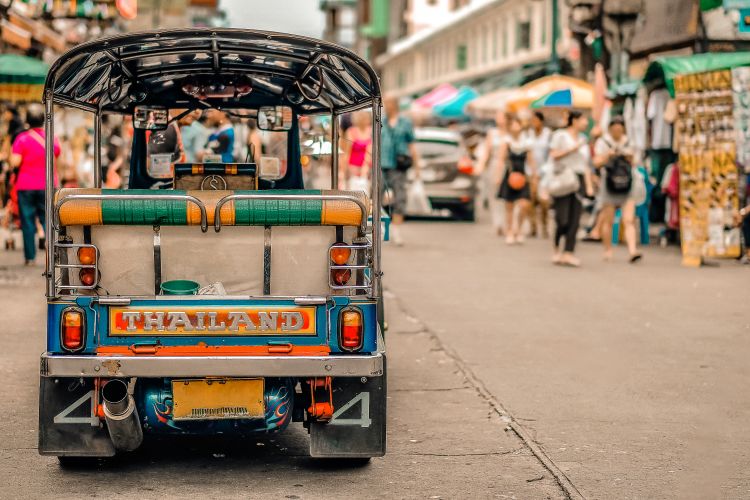
Thailand isn't just a destination — it's a civilization in motion. From the wai that greets strangers to the sacred geometry of spirit houses, Thai culture operates on a logic most outsiders never fully decode. Here's what lies beneath the surface of one of Asia's most misunderstood cultures.
Moldova
3m
Jun 21, 2026
Summary
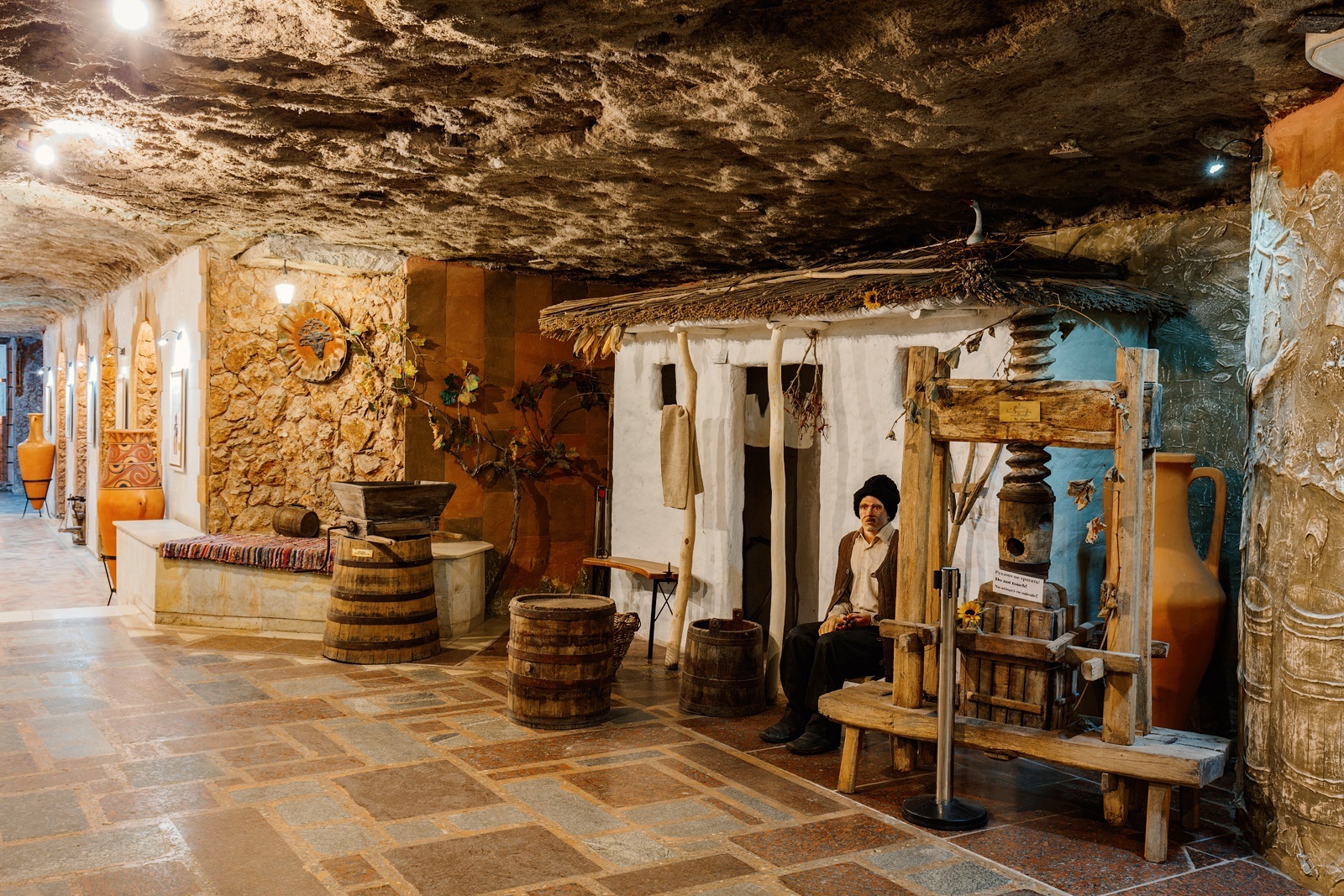
Moldova is famous for its Wine Cellar Heritage, one of the most unique cultural traditions in Eastern Europe. The country is home to enormous underground wine cellars that store millions of bottles and preserve centuries-old winemaking traditions. Wine plays an important role in Moldovan culture, symbolizing hospitality, friendship, and community. It is commonly shared during family gatherings, festivals, and celebrations. Annual wine events help preserve local customs and showcase traditional production methods. Even today, winemaking remains a source of national pride, connecting Moldovans to their history, agricultural heritage, and cultural identity.
Sweden
15m
Mar 23, 2026
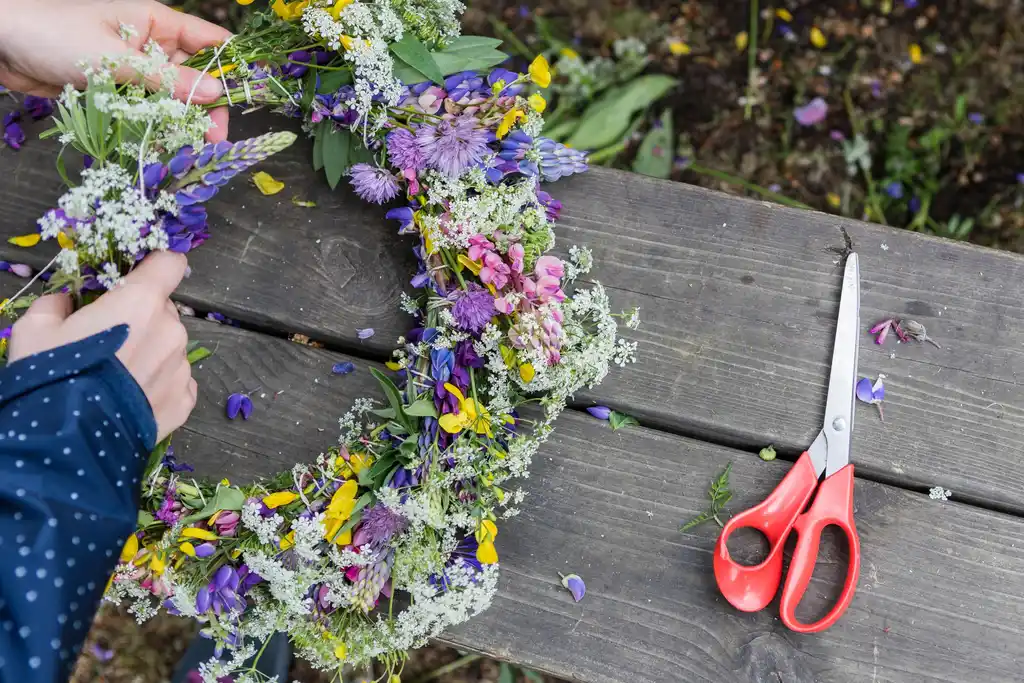
On the longest day of the year, something happens across the Northern Hemisphere that no calendar notification can prepare you for: the sky refuses to go dark. Midsummer is the oldest festival humanity has ever held — and it turns out that light, when there is finally too much of it, makes people do extraordinary things.
South Korea
12m
Mar 19, 2026
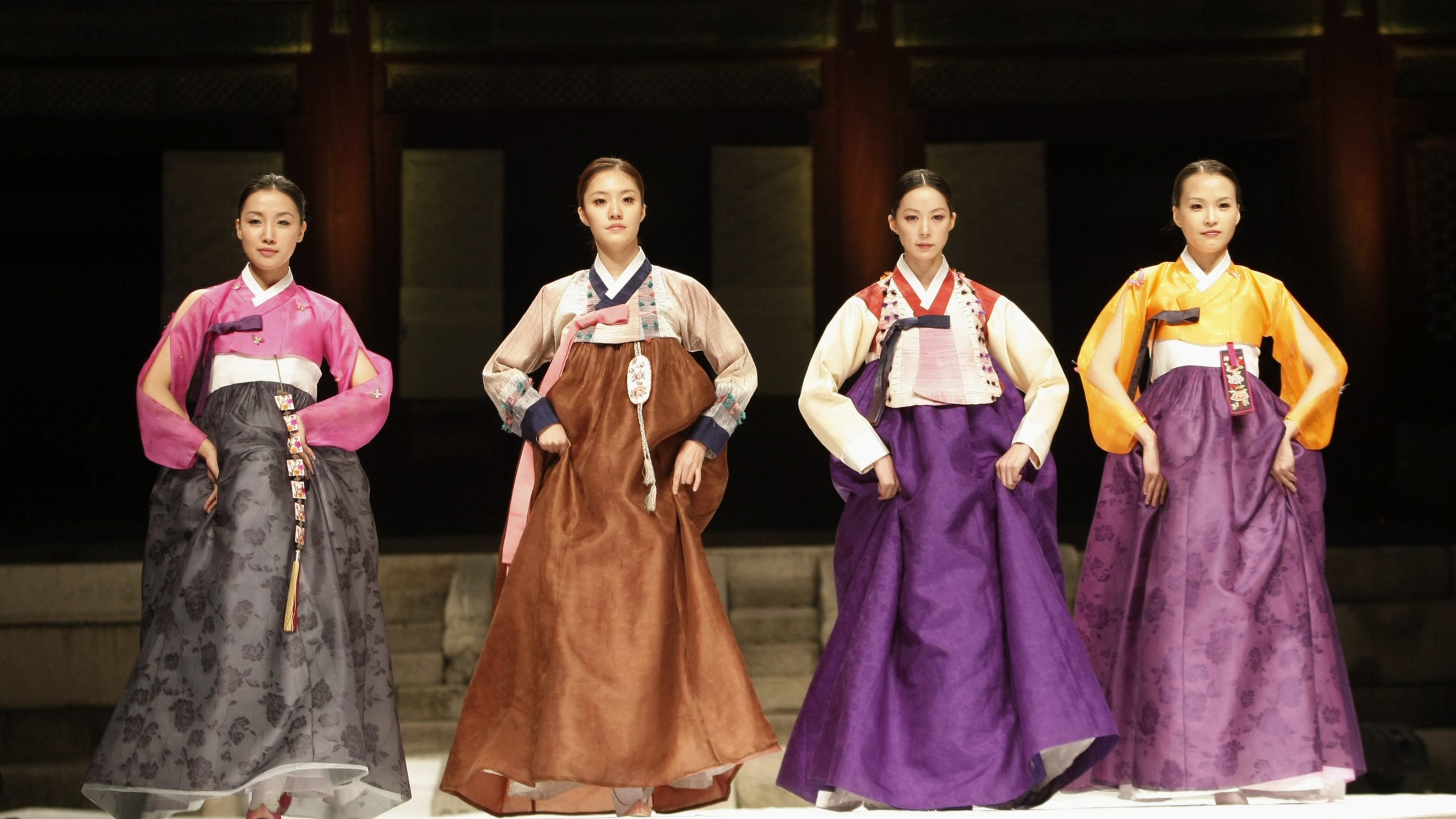
Hanbok is the traditional clothing of South Korea, known for its elegance, vibrant colors, and cultural meaning. Worn during festivals, ceremonies, and special occasions, Hanbok reflects Korean values of harmony, respect, and identity. Beyond its beauty, Hanbok is deeply connected to history, social status, and seasonal traditions. Today, it remains a proud symbol of Korean heritage, blending tradition with modern fashion. Understanding Hanbok is not just about clothing, but about experiencing the rich cultural identity of Korea.
Papua New Guinea
11m
Mar 18, 2026
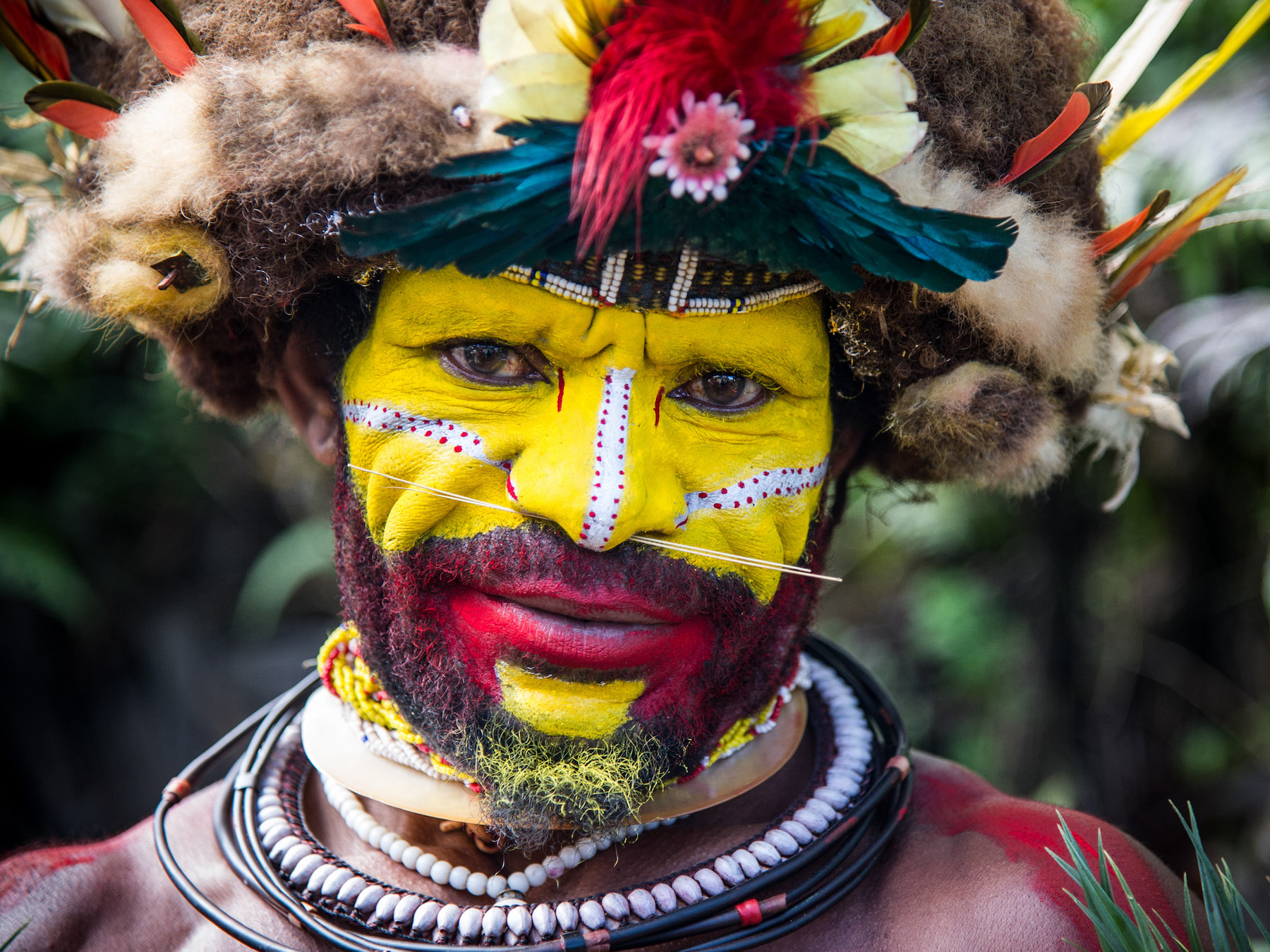
Tribal face painting in Papua New Guinea is a striking and meaningful cultural practice that reflects identity, status, and spiritual beliefs. Known for its bold colors and intricate patterns, this tradition is commonly seen during festivals, rituals, and ceremonies. Each design tells a story, representing ancestry, tribal affiliation, and connection to nature. Far beyond decoration, face painting in Papua New Guinea is a living expression of heritage, pride, and cultural continuity

Kenya
10m
Mar 18, 2026
The Samburu Tribe, residing in northern Kenya, is one of Africa’s most visually striking and culturally rich communities. Known for their colorful attire, intricate beadwork, and pastoral lifestyle, the Samburu have preserved their traditions for centuries. Their way of life revolves around livestock, community values, and deep spiritual beliefs. Beyond aesthetics, the Samburu embody resilience, harmony with nature, and a strong sense of identity. From rituals to festivals, daily practices, and storytelling, every aspect of Samburu life reflects cultural pride. Today, their traditions continue to inspire travelers, anthropologists, and culture enthusiasts worldwide.

Brazil
9m
Mar 18, 2026
The Rio Carnival is one of the most spectacular cultural festivals in the world, celebrated every year in Rio de Janeiro. Known for its dazzling parades, samba music, colorful costumes, and energetic atmosphere, this festival attracts millions of visitors from around the globe. Rooted in Brazilian culture and history, Rio Carnival represents joy, freedom, and artistic expression. From grand samba parades to lively street parties, the festival showcases the spirit of Brazil in its most vibrant form.

China
8m
Mar 17, 2026
Dumplings are one of the oldest and most beloved foods in the world, found across many cultures with unique variations and flavors. From Chinese dumplings (jiaozi) to Japanese gyoza, Korean mandu, and European pierogi, dumplings represent comfort, tradition, and cultural identity. These small pockets of dough filled with meat, vegetables, or sweets have evolved over centuries, becoming an essential part of festivals, family gatherings, and everyday meals. Dumplings are more than just food; they are a symbol of heritage, unity, and culinary creativity across the globe.

India
14m
Mar 17, 2026
Once a year on the Malabar coast, the world’s most rigid hierarchy does something it was never supposed to do: it reverses itself.
A man from a community once considered “untouchable” puts on fire, paint, and a 5-meter crown — and becomes a god. Brahmin priests bow. Villagers seek blessings. And for a few hours, caste doesn’t disappear… it gets overwritten.
Theyyam isn’t performance. It’s a theological argument written in flame, body, and belief — proving that divinity doesn’t ask permission from hierarchy.
#Theyyam #KeralaCulture #IndianTraditions #CasteSystem #LivingGods #FolkTradition #CulturalHeritage #RitualPerformance #SacredArt #SouthIndia #Anthropology #ReligiousStudies #CulturalHistory #CultureXpose

Mexico
13m
Mar 12, 2026
They don’t “visit” the dead in Mexico. They host them.
Every November, families don’t mourn so much as prepare — setting tables, lighting paths, and waiting for someone who never really left.
Death here isn’t an ending. It’s a return with rules, memory, and meals waiting.
#DiaDeLosMuertos #Mexico #Culture #Anthropology #Tradition #DeathAndLife #Mictlan #Ofrenda #CulturalHeritage #Storytelling #CultureXpose