North Macedonia
14m
Jul 12, 2026
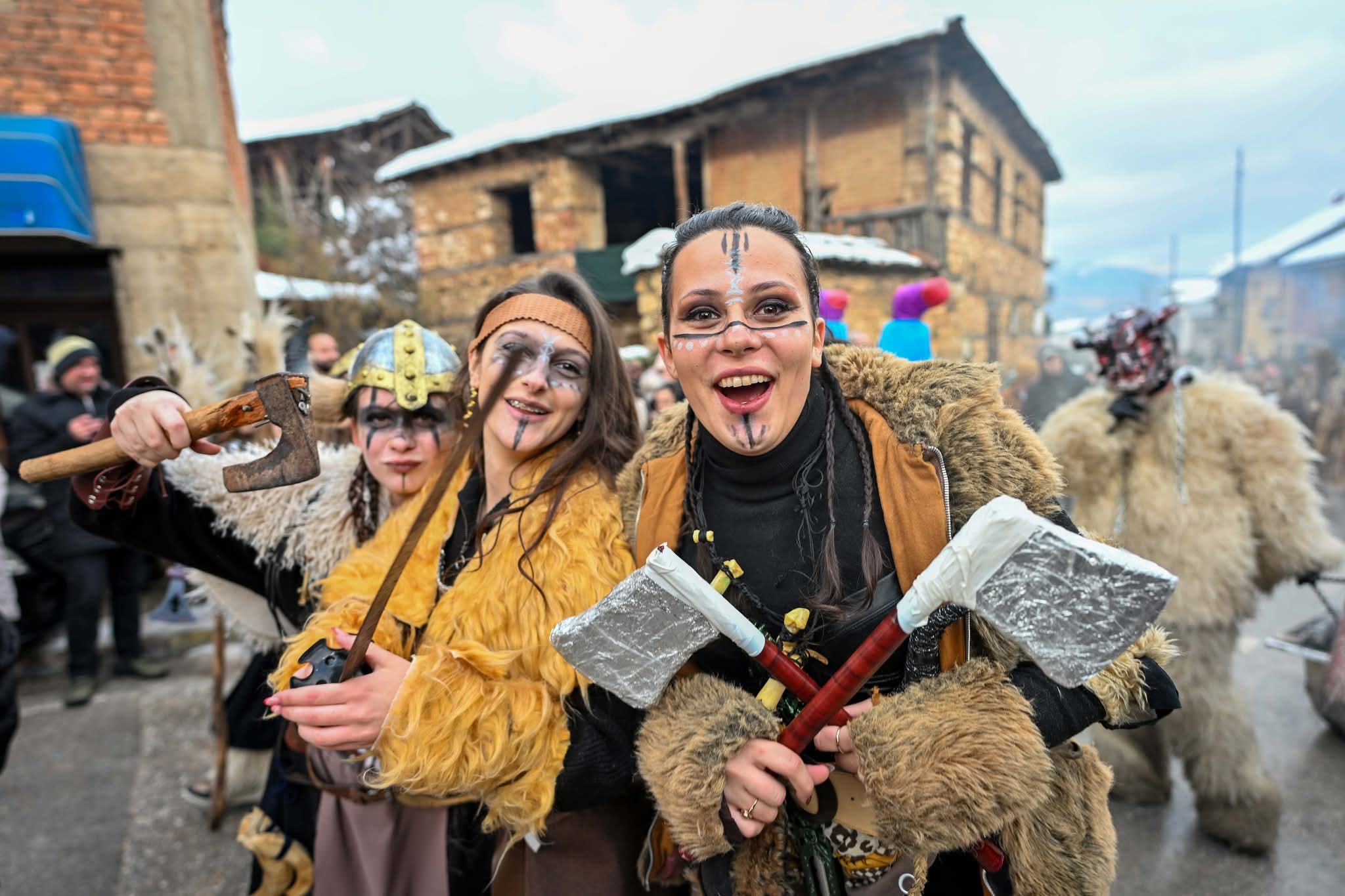
North Macedonia is known for its Village Patron Saint Festivals, a unique tradition where communities honor the saint believed to protect their village. These annual celebrations combine religious ceremonies, traditional foods, folk music, dancing, and family gatherings. The festivals help preserve cultural heritage, strengthen community bonds, and pass traditions to younger generations. Families often travel long distances to reunite and celebrate together. More than a religious event, the festival represents local identity, pride, and social unity. Even today, Village Patron Saint Festivals remain one of the most important and respected cultural traditions in North Macedonia.
United Arab Emirates
15m
Jul 12, 2026
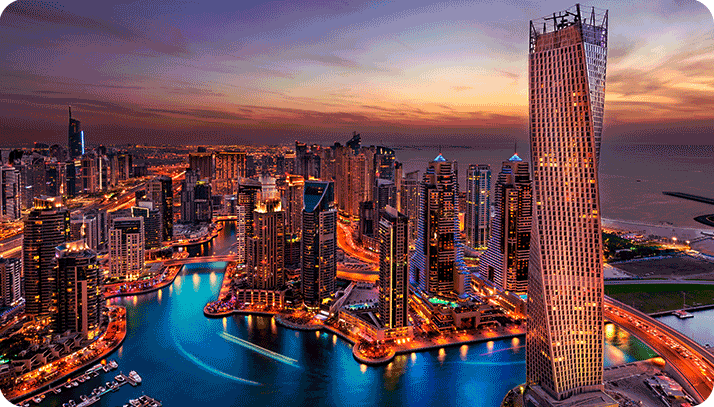
The UAE is famous for its glass towers and artificial islands. Less known is the desert culture that was thriving there for millennia before the first drop of oil was struck — a civilization of remarkable sophistication that navigated one of the world's harshest environments with a social code, an ecological knowledge, and a philosophy of hospitality that the skyscrapers have not replaced, only temporarily overshadowed.
Canada
14m
Jul 11, 2026
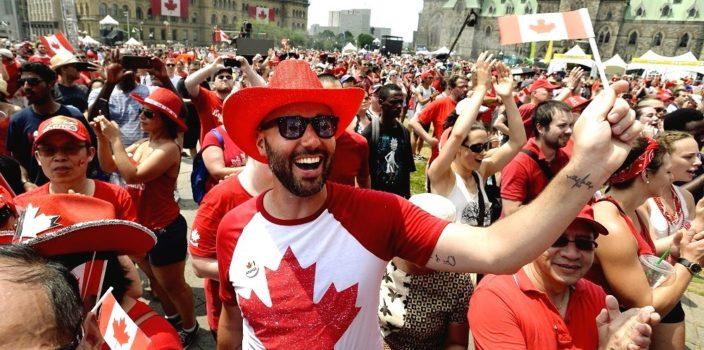
Canadians apologize when you bump into them. They say sorry so reflexively that Canada literally passed a law clarifying that apologies don't constitute admissions of legal liability. But the stereotype of Canadian politeness is both accurate and wildly misread — what looks like niceness from the outside is a sophisticated communication system built on deeply held values. Here is what it actually means.
Myanmar
15m
Jul 05, 2026
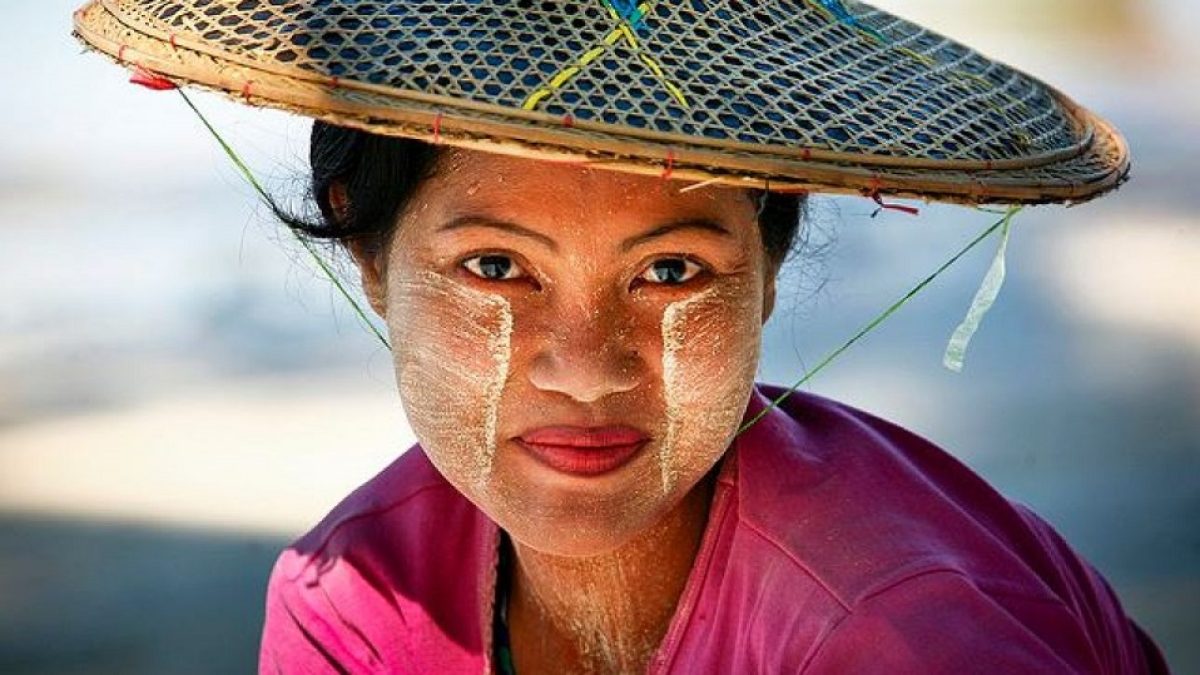
Every morning, across Myanmar, millions of people grind a small piece of wood against a wet stone and apply the resulting paste to their faces. Thanaka is two thousand years old, cosmetically effective, spiritually protective, and socially essential — and the way it's applied tells you more about Burmese identity than any history book will.
Turkmenistan
14m
Jul 05, 2026
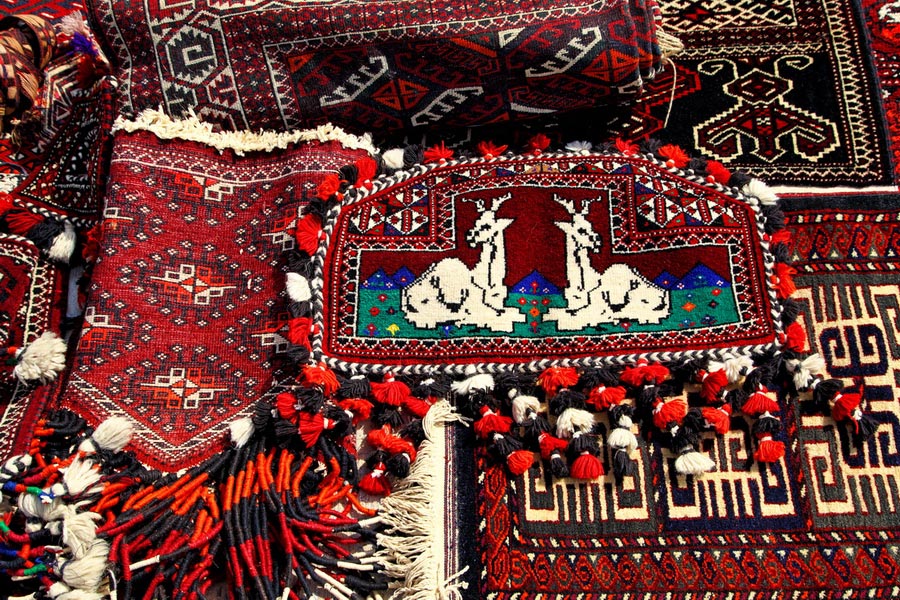
The Turkmen carpet is not a floor covering. It is a genealogy, a cosmology, and a form of writing — one that predates the Latin alphabet, outlasted multiple empires, and appears, blood-red and intricate, on the national flag of a modern state. Here is what the knots actually say.
Kyrgyz
12m
Jun 29, 2026
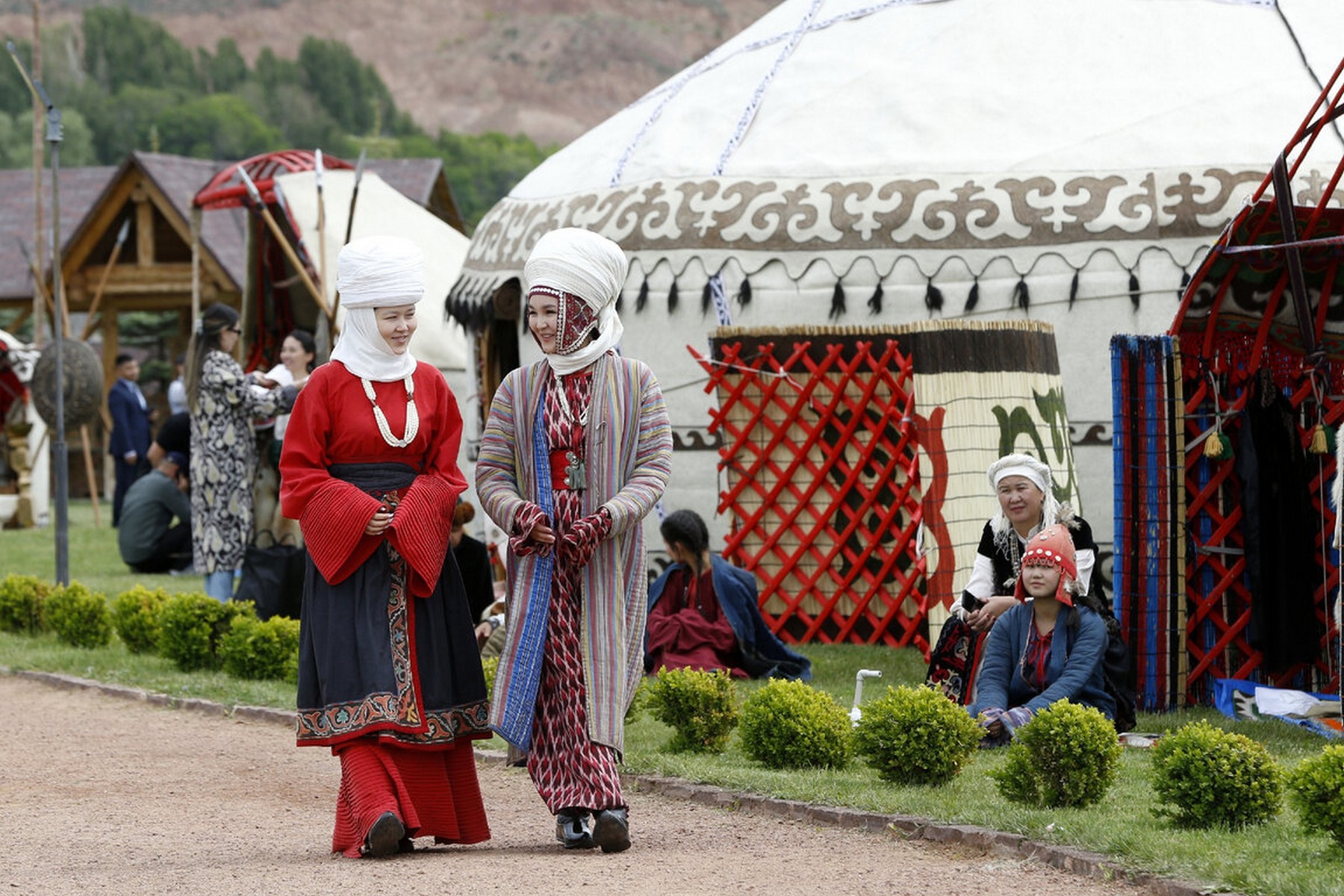
A yurt can be erected in under an hour and has sheltered Kyrgyz families for over a thousand years. But this circular felt home is far more than portable architecture — it's a cosmology, a social contract, and a quiet act of resistance against a world that keeps telling nomads to settle down.
Moldova
3m
Jun 21, 2026
Summary
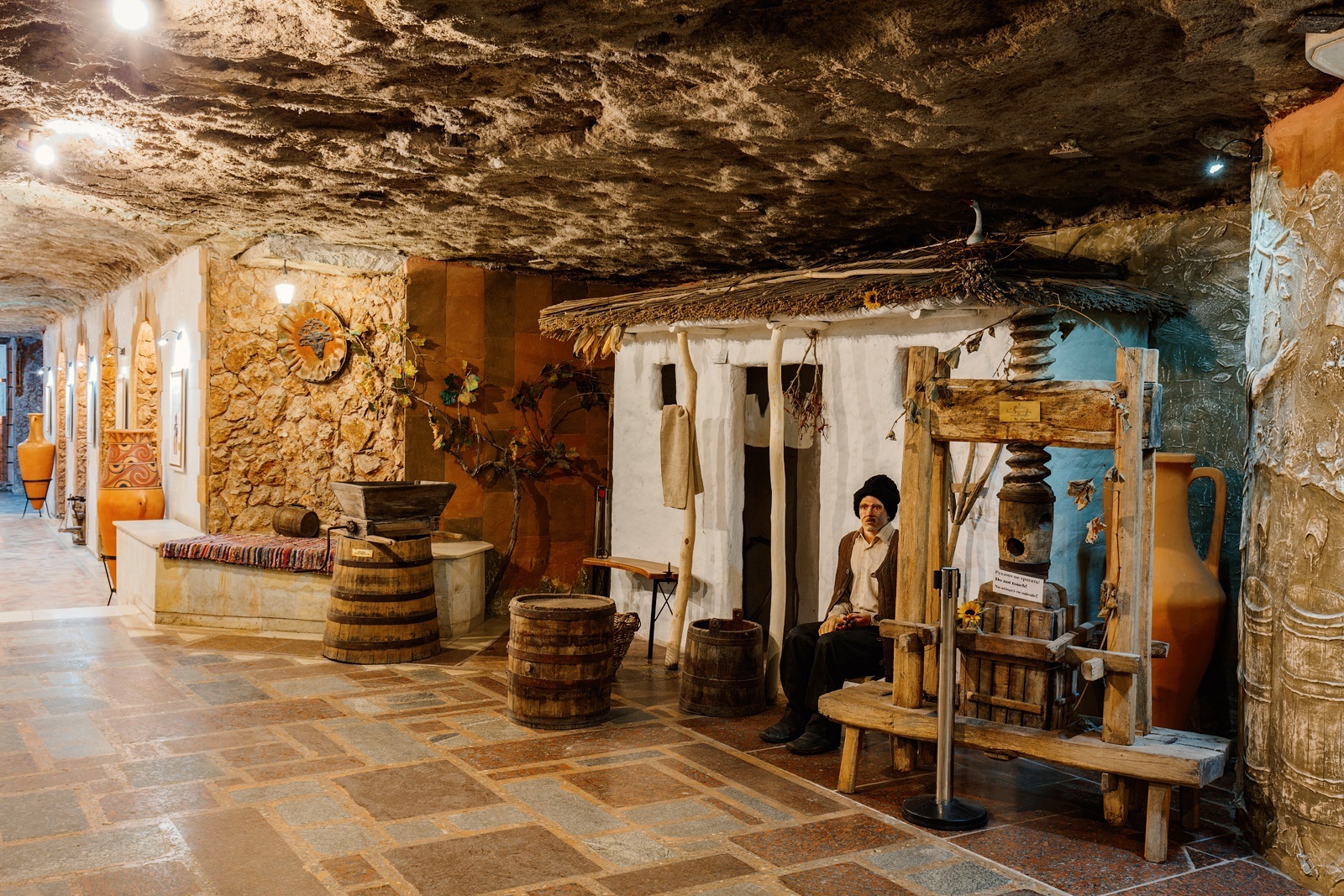
Moldova is famous for its Wine Cellar Heritage, one of the most unique cultural traditions in Eastern Europe. The country is home to enormous underground wine cellars that store millions of bottles and preserve centuries-old winemaking traditions. Wine plays an important role in Moldovan culture, symbolizing hospitality, friendship, and community. It is commonly shared during family gatherings, festivals, and celebrations. Annual wine events help preserve local customs and showcase traditional production methods. Even today, winemaking remains a source of national pride, connecting Moldovans to their history, agricultural heritage, and cultural identity.
Madagascar
15m
Jun 15, 2026
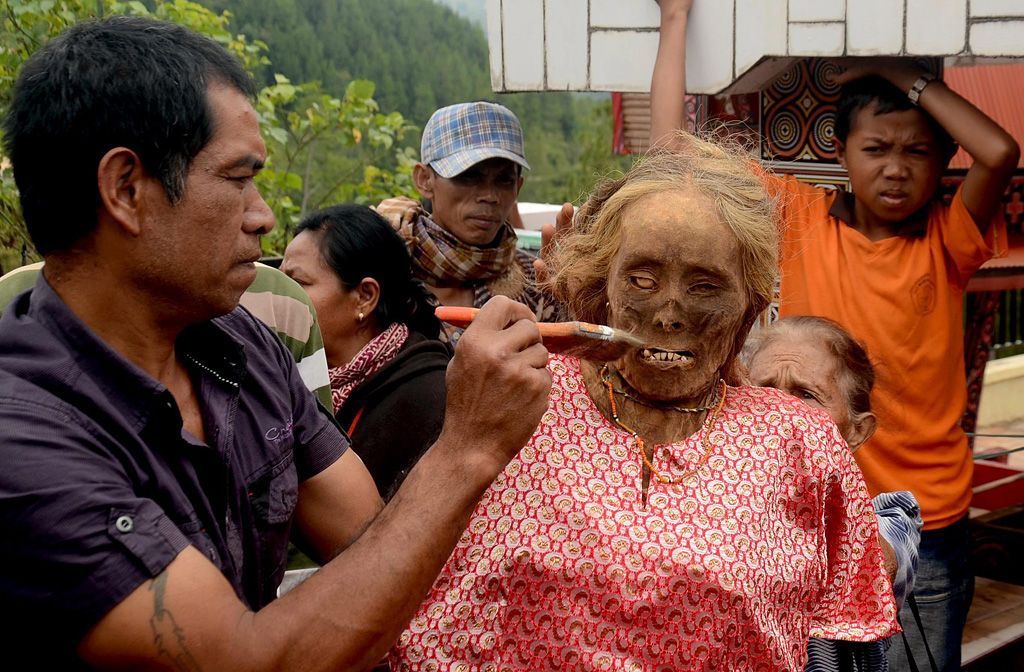
In the highlands of Madagascar, families exhume their dead relatives, wrap them in fresh silk, dance with them, share news and food with them, and return them to the tomb with laughter and music. To outside eyes, this looks like a confrontation with death. To the Malagasy, it is the opposite: a celebration of the continuing relationship between the living and those who have not yet left.
Lithuania
14m
Jun 15, 2026
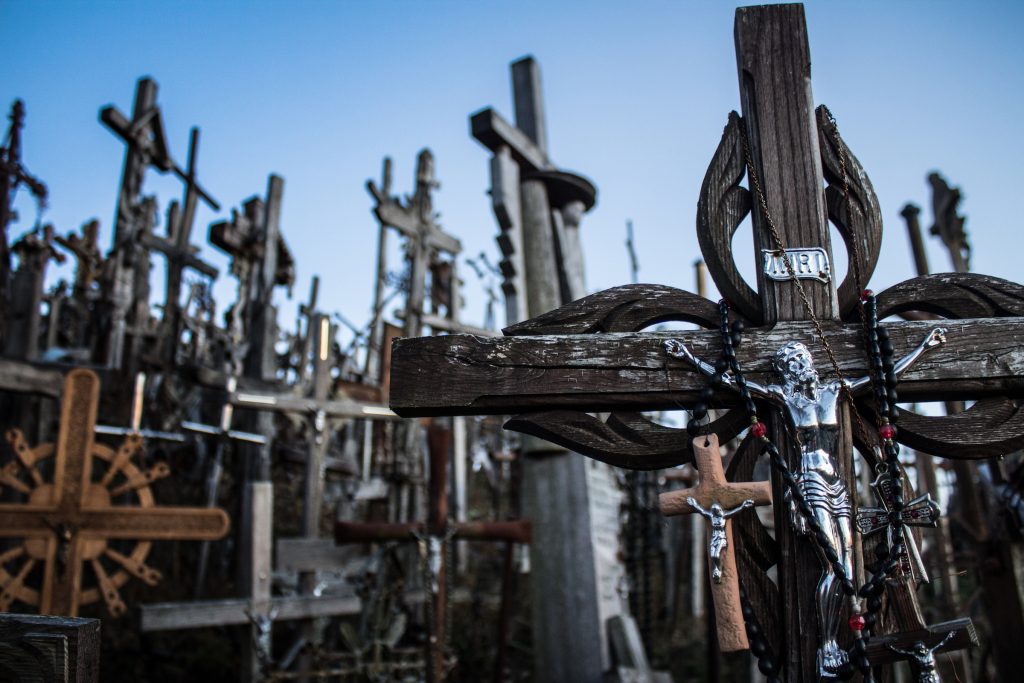
Lithuania was the last country in Europe to officially adopt Christianity — in 1387. Before that, it maintained a living pagan tradition of sacred wooden poles and forest shrines that its craftsmen simply folded into the new faith's symbols. The result is one of the world's most distinctive folk art traditions: carved wooden crosses so elaborate and so theologically layered that UNESCO called them irreplaceable. The Soviet Union tried to bulldoze them. The Lithuanians kept making them anyway.
Mongolia
15m
Jun 14, 2026
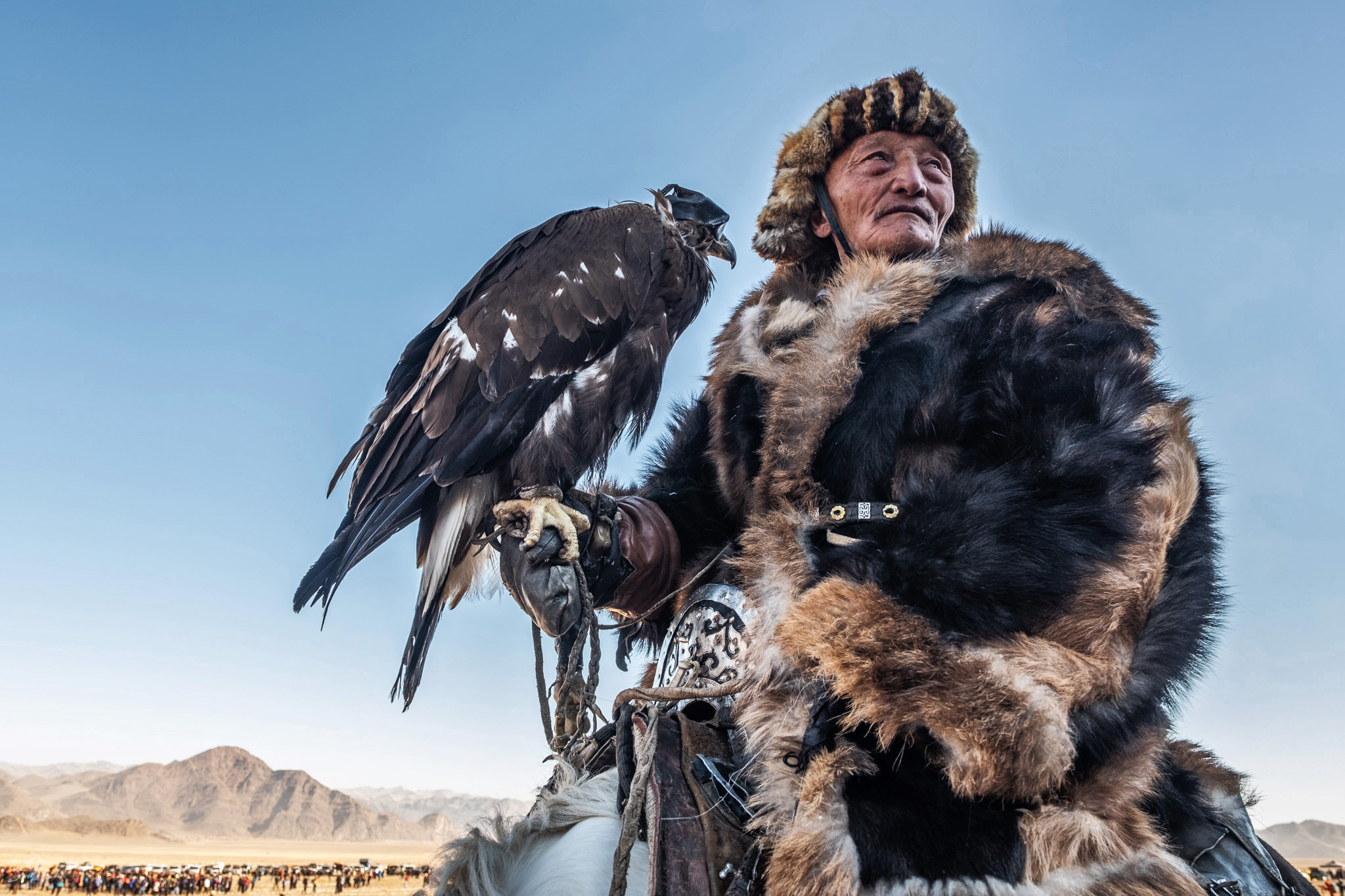
In the Altai Mountains of western Mongolia, Kazakh hunters ride horses at full gallop through snow-covered passes while a golden eagle the size of a small child grips their arm. The eagle hunts. The hunter guides. The partnership — 4,000 years old, maintained by fewer than 400 active practitioners — is one of the most demanding inter-species relationships humans have ever developed. Here is what it requires and what it means
India
16m
Apr 05, 2026
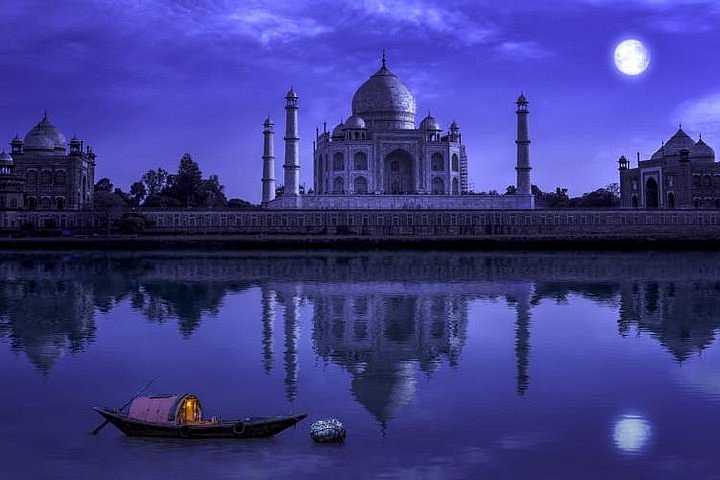
Seven million people visit the Taj Mahal every year. Most see a beautiful building. Fewer understand that what they are looking at is a theological argument in marble — a Mughal emperor's attempt to build paradise on earth for the woman he could not keep alive. The architecture knows exactly what it is doing. Here is how to read it.
Peru
15m
Mar 31, 2026
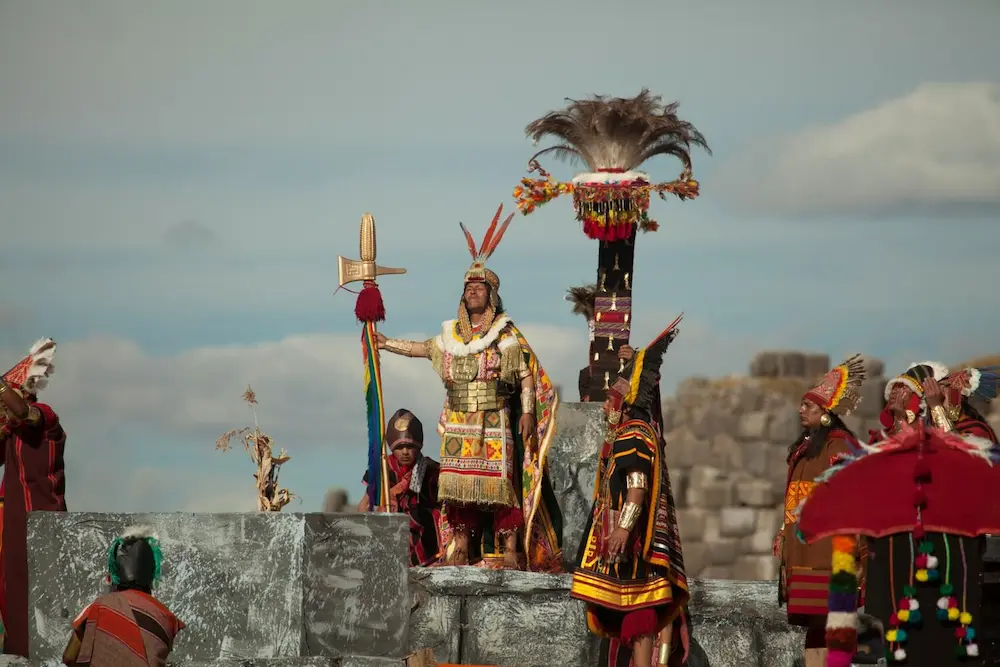
At its peak, the Inca Empire was the largest in the Western Hemisphere — governing 10 million people across 4,000 kilometers of Andes without a written language, a wheel, or iron tools. It was destroyed in less than a decade. But it was not erased. Here is what survives, and why it still matters.